Festival · 2026-10-27
Gia Lai’s gong festival reaches Biển Hồ on Friday, and the opening has no clock
A press briefing on 20 October runs the gong and wild-sunflower festival from 30 October to 8 November. The Biển Hồ chain, including the opening, is 30 October to 1 November. No opening hour and no ticket are printed.
Biển Hồ: 30 October–1 November 2026. The briefing also runs the festival through 8 November. Opening hour, and a fee: Check on arrival. Gong night: 20:00 on 7 November.
Friday is the first day printed for Biển Hồ, and the pages do not give that morning a clock. The Ministry of Culture, Sports and Tourism on 21 October 2026 reports Gia Lai Plan No. 405/KH-UBND of 14 October, which adjusts Plan No. 327/KH-UBND of 14 August and renames the event Festival Cồng chiêng – Tuần lễ Hoa Dã quỳ – Núi lửa Chư Đang Ya năm 2026. The plan is national in scale. From 30 October to 1 November, in Biển Hồ commune, it schedules an opening, the announcement of the Ia Nueng village community-tourism product, the Gia Lai City Trail – Giấc mơ đại ngàn run for 2026, an ethnic-minority sports event for the commune, and related activities. The places it names are Ia Gri village, Ia Nueng village, the Biển Hồ area, the Chư Đang Ya volcano, and related sites in the commune. It does not print an hour for the opening, and it does not print a ticket. Check on arrival. The Government Portal, posting at 19:15 on 20 October from the province’s briefing that afternoon, and Thanh Niên at 20:35 the same day, both run the whole festival from 30 October to 8 November, at Pleiku ward, Biển Hồ commune, and some neighboring wards and communes. Neither of those pages prints an opening hour either.
The only clock on the Biển Hồ days is for a rebuilt rông house, and the two briefing reports do not share it. The Government Portal, quoting Huỳnh Văn Lợi, deputy director of the provincial department of culture, sports and tourism, puts the Jrai rite for a new rông house on the afternoon of 31 October at the rông house of Ia Gri village. Báo Công thương, in its account of the same briefing, puts that rite from 14:00 on 31 October at the same house. Thanh Niên names the rite and does not print an hour. The ministry plan names the Ia Nueng announcement, the trail run, and the sports event inside the 30 October–1 November chain and does not give any of them a clock. Check on arrival. Công thương also places an exhibition, “Không gian văn hóa cồng chiêng Gia Lai”, at the Ia Gri rông house. Thanh Niên places that exhibition, a produce market, and the rông-house rite at Ia Gri, without a separate hour. The Government Portal says the wild-sunflower week has been held each year since 2017 at Ia Gri and Chư Đang Ya, now in Biển Hồ commune, around the end of October and the start of November, the time it calls the fullest bloom there. Thanh Niên describes the volcano as a funnel-shaped crater about 500 metres above the sea, quiet for millions of years, and says that around November hundreds of thousands of dã quỳ flowers cover the slopes and the roads. The ministry page does not print the height, the age, or a flower count.
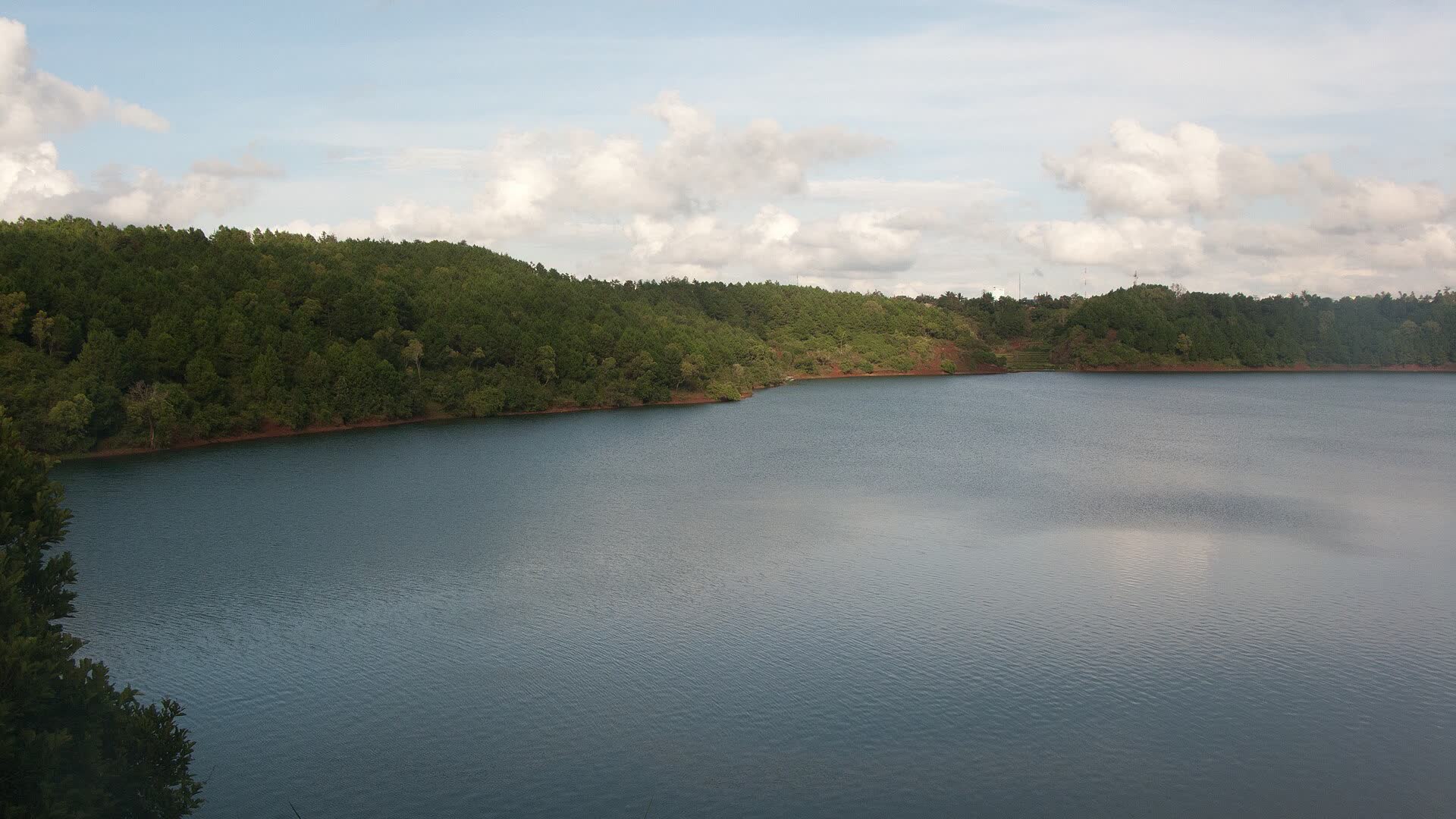
The rest of the week is where a time does appear, and where the headcount splits. Both the Government Portal and Thanh Niên, and Công thương as well, put a street festival on 6 November through roads in Pleiku, Diên Hồng, and Hội Phú wards. None of them prints an hour for that street. All three put the gong-night program at 20:00 on 7 November at Đại Đoàn Kết Square in Pleiku ward. Thanh Niên says that night goes out live on VTV8, with other stations relaying it. The Government Portal says the night gathers every artisan troupe and does not name a channel. Công thương says it is broadcast live and does not name VTV8. On the numbers, the ministry plan expects 22 gong troupes, one for each of 22 communes and wards, plus women’s troupes, children’s troupes, and outstanding artisan troupes, with priority to troupes that keep the old form and old gongs, and it expects to invite ethnic-minority gong troupes from 10 provinces and cities. The Government Portal states 1,487 artisans: 1,207 in 29 gong teams and craft groups in Gia Lai, for the Bahnar, Jrai, H'rê, Chăm Hroi, and Ê Đê, and 280 from 10 provinces and cities, which it names as Quảng Trị, Lâm Đồng, Phú Thọ, Thanh Hóa, Đà Nẵng, Quảng Ngãi, Đắk Lắk, Huế, Đồng Nai, and Khánh Hòa. Công thương’s summary line says 1,500 artisans. Its text says the number expected is 1,487, in 29 teams, and uses the same five ethnic names. Thanh Niên spells one of those peoples Bana, and the Government Portal and Công thương spell it Bahnar. The Government Portal and Thanh Niên both say UNESCO inscribed the Central Highlands gong cultural space on the representative list of the intangible cultural heritage of humanity on 25 November 2005. A ticket is not in any of these pages. Check on arrival. The photograph is Biển Hồ in Pleiku. Pxchanh filed it on Wikimedia Commons on 11 February 2019 and dedicated it to the public domain. The frame is the lake, one of the grounds named for Friday. It is not the volcano, and it is not a gong.