Hai Phong food guide
Hai Phong starts with bánh đa cua: thin red crackers from Dư Hàng Kênh and crab in a crab broth. Then a very hot little pate sandwich, a bitter-sweet chrysanthemum glass, and snails after dark.
Compare a room, or search a tour.
Check stays Klook tours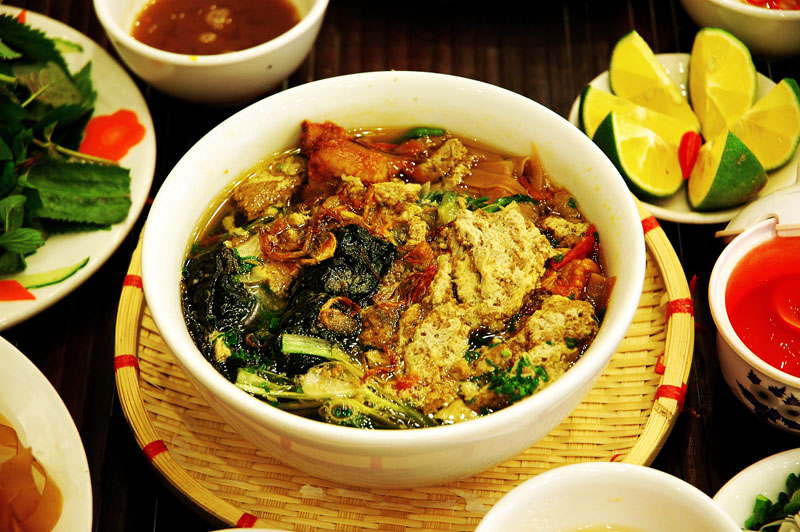
Photo: HoangTuanAnh · CC BY-SA 3.0
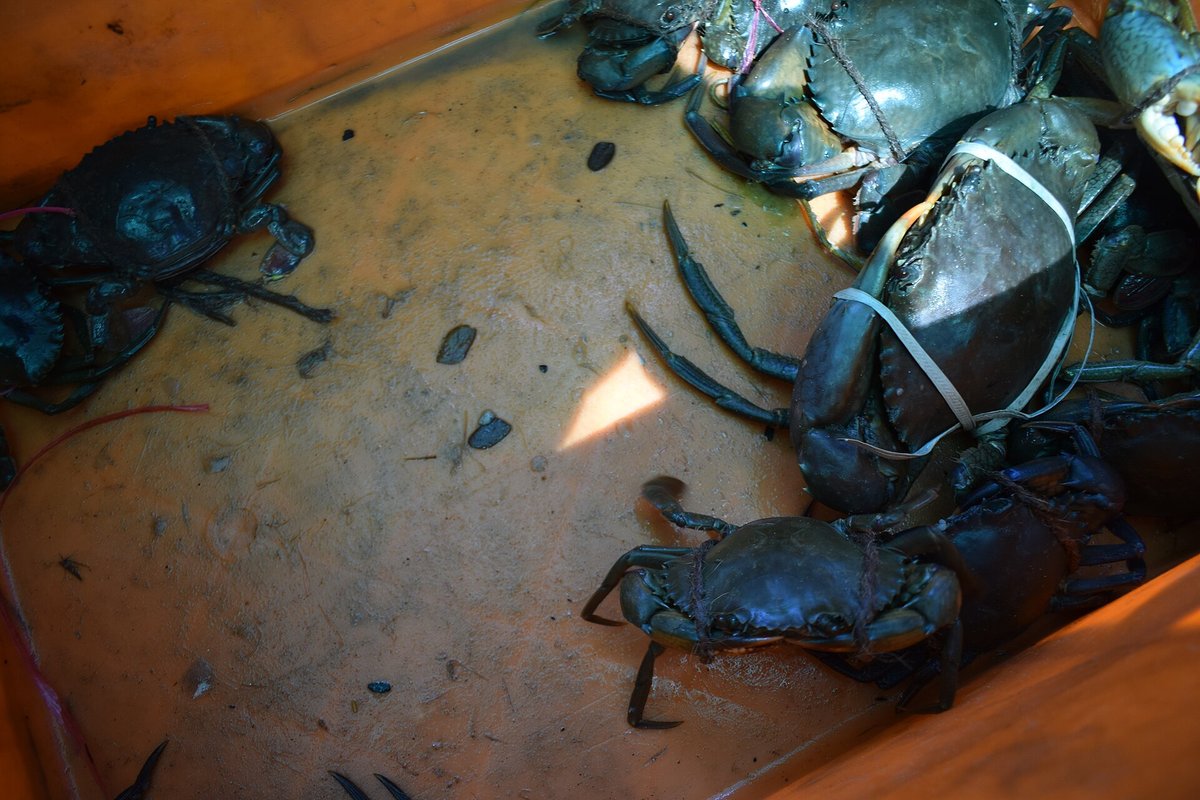
The crackers are thin, soft, and chewy. A full bowl adds mantis shrimp, chả lá lốt, shrimp, and fish cake. The crab is đồng or bể. Chili sauce, fried shallot, herbs, and lime or kumquat finish the bowl. One account calls it the common breakfast and the evening meal. The 2023 food map puts it at lunch and through the day. Eat it at a pavement table. The sign is often a small card tied to a tree.
Bánh mì cay is the small crisp pate sandwich with chí chương, often carried with trà cúc. Sủi dìn is the winter dumpling, coconut and peanut in a ginger syrup hot enough to burn the tongue. Bánh bèo is the square rice cake on banana leaf. Đồ Sơn adds a crisp jellyfish salad, geoduck grilled with scallion fat, and salt-fried mantis shrimp.
Chả rươi is the seasonal fried ragworm cake, crisp outside and soft inside, with tangerine peel in the taste. One account takes the worm in Tiên Lãng and Vĩnh Bảo in lunar months 9 and 10. Another places the dish in the former Hải Dương land. Another writes of rươi from Tứ Kỳ. Cua lông and bún cá rô đồng stay with that former Hải Dương list. They are not bún cá cay.
Hai Phong specialties
Bánh đa cua comes first. Each line is a dish, with the street when one was recorded.
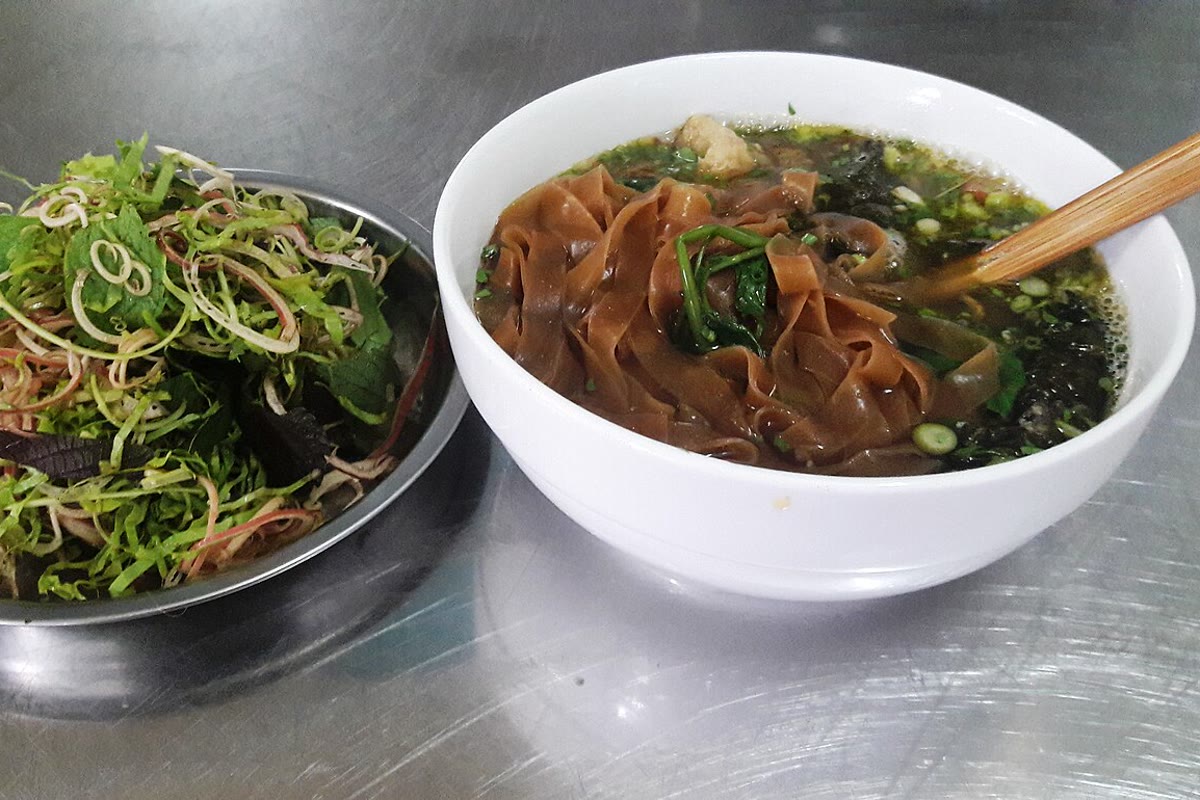
Banh da cua Bánh đa cua
Bánh đa cua is a bowl of thin, soft, chewy red rice crackers from Dư Hàng Kênh in a crab broth, with crab, shrimp, and herbs. Chili sauce, fried shallot, and lime or kumquat finish it.
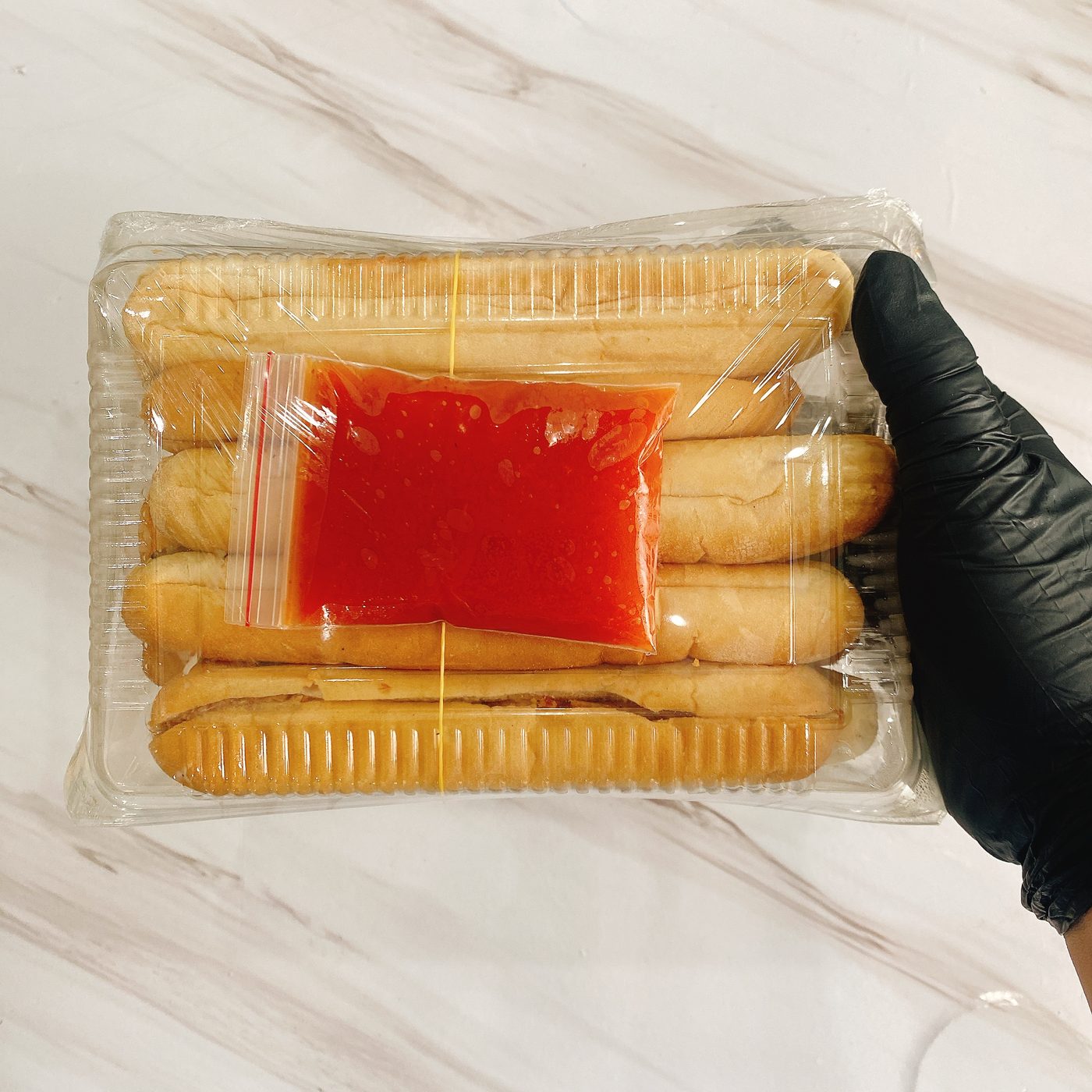
Banh mi cay Bánh mì cay
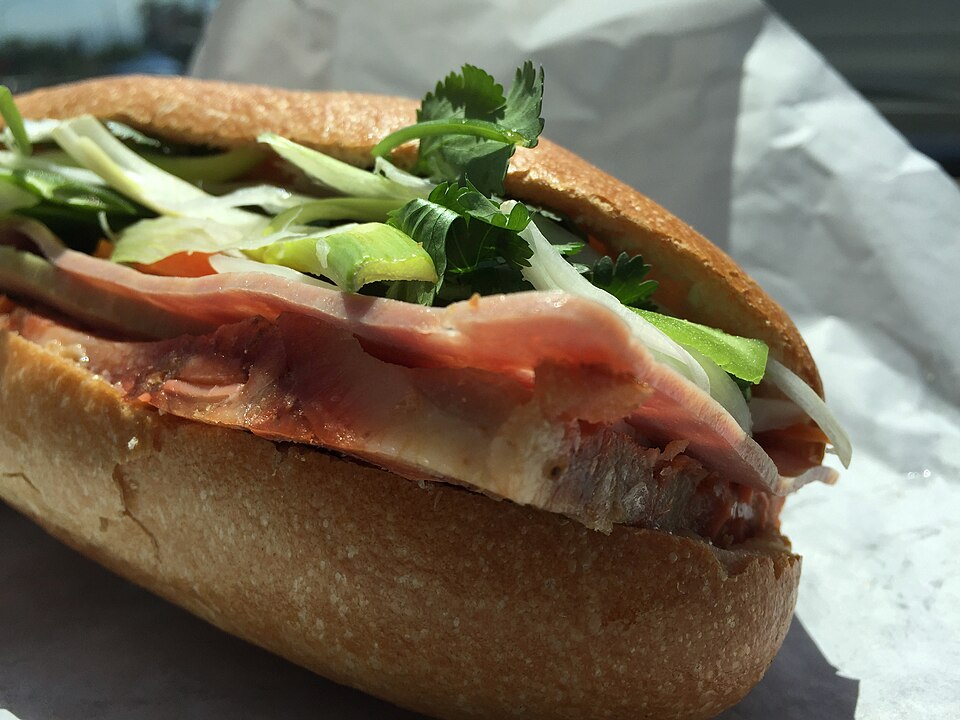
Bánh mì cay is a very hot little pate sandwich, about two fingertips wide, with a crisp crust. Chí chương, the chili sauce, supplies the heat.
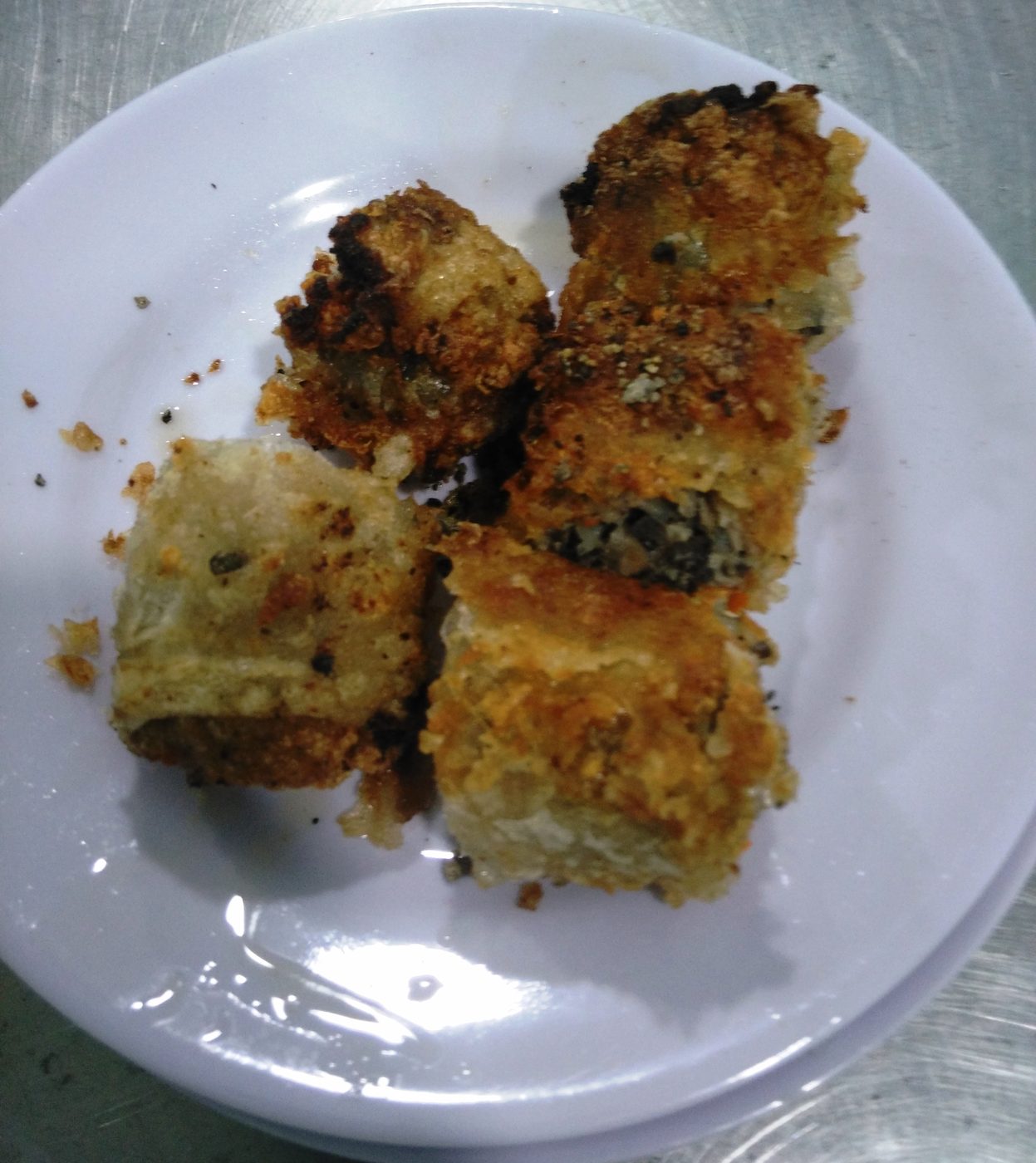
Nem cua be Nem cua bể
Nem cua bể is a square fried roll, crisp just out of the pan, filled with crab, shrimp, pork, and wood ear. It comes with rice noodles and sweet-sour fish sauce.
Oc Ốc
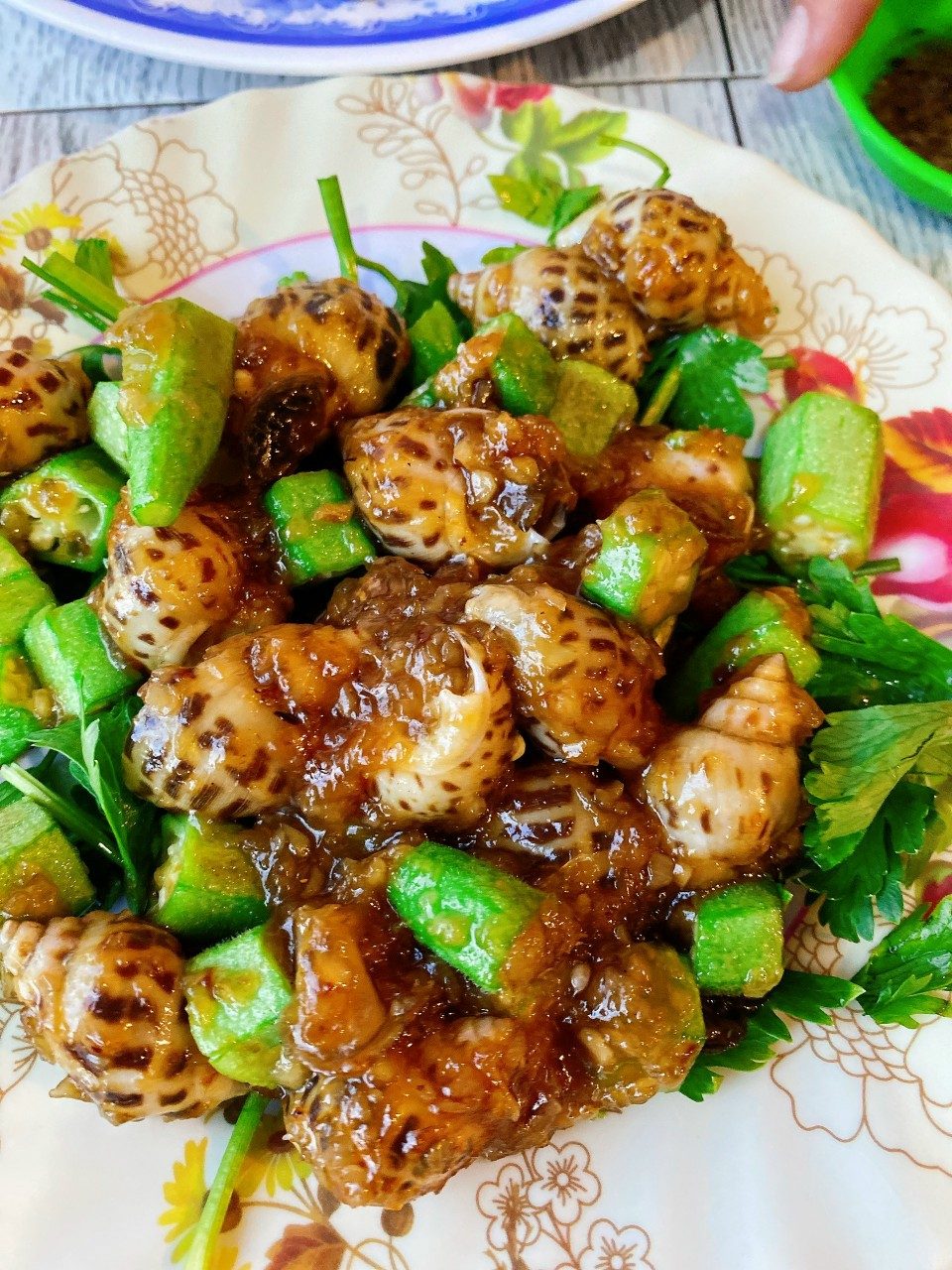
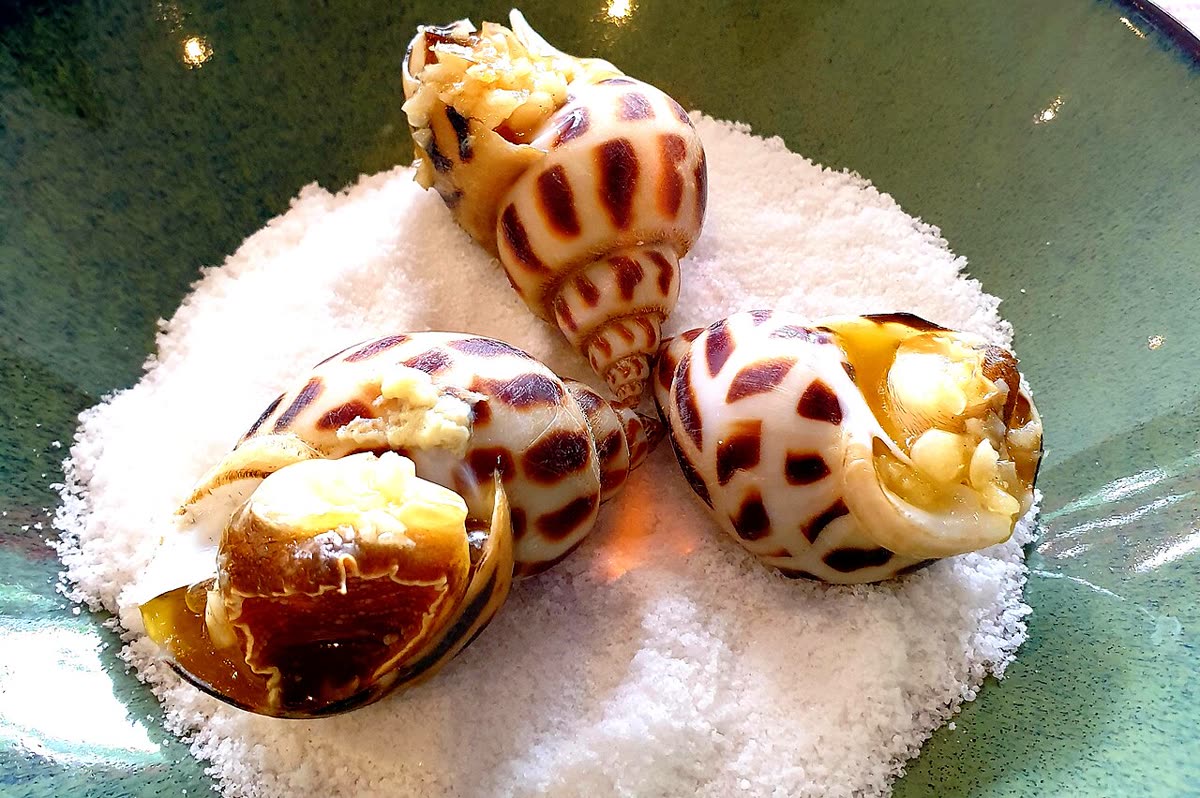
Ốc is an evening plate of ốc hương, ốc đỏ môi, ốc móng tay, and ốc đá. They are boiled in fish sauce, cooked with salted-egg sauce, steamed Thai style, or finished in tamarind sauce.
Sui din Sủi dìn
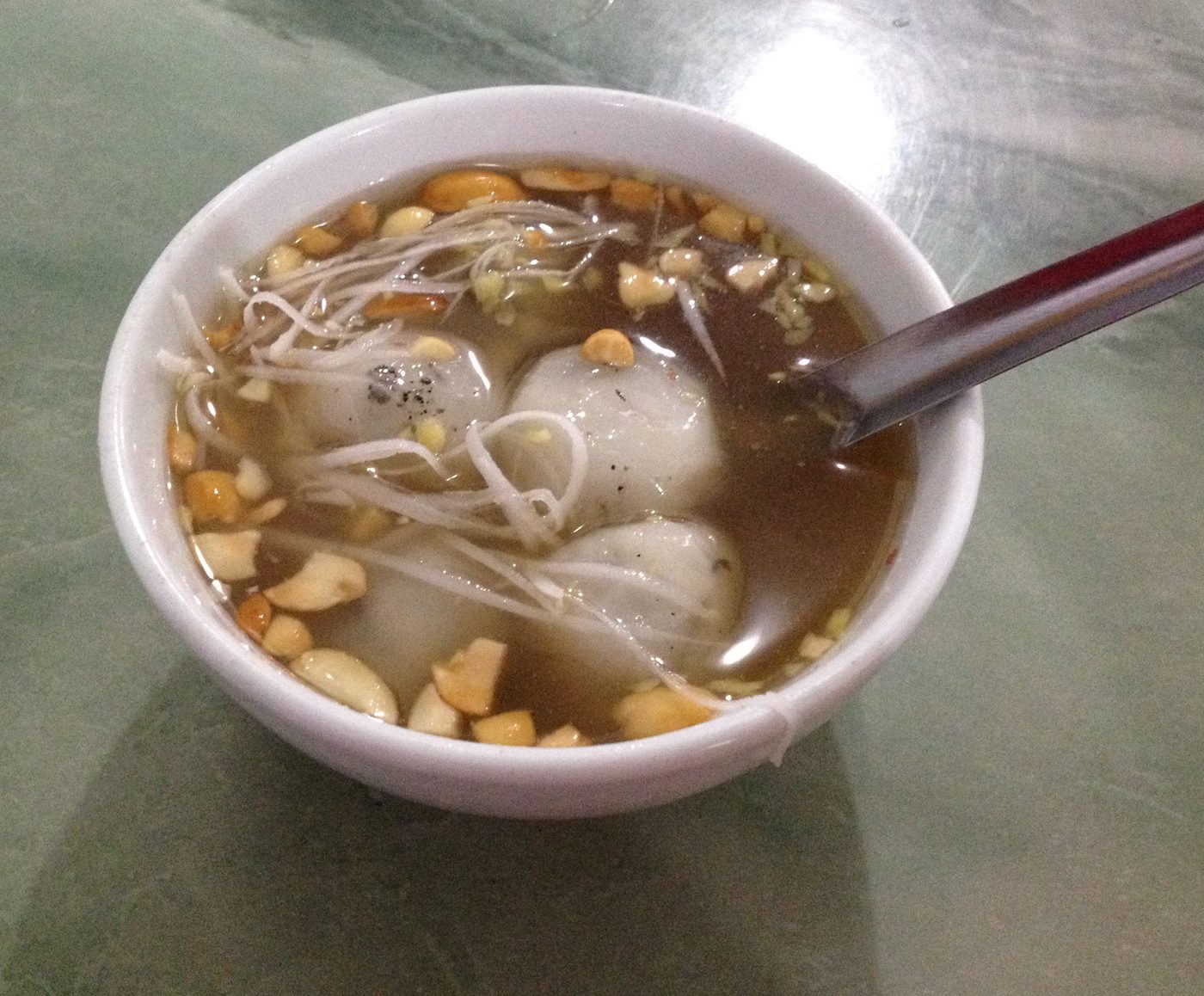
Sủi dìn is a soft, chewy winter dumpling of wet-milled glutinous rice, filled with shredded coconut, sesame, and peanuts. The ginger syrup is hot enough to burn the tongue.
Nom sua Nộm sứa
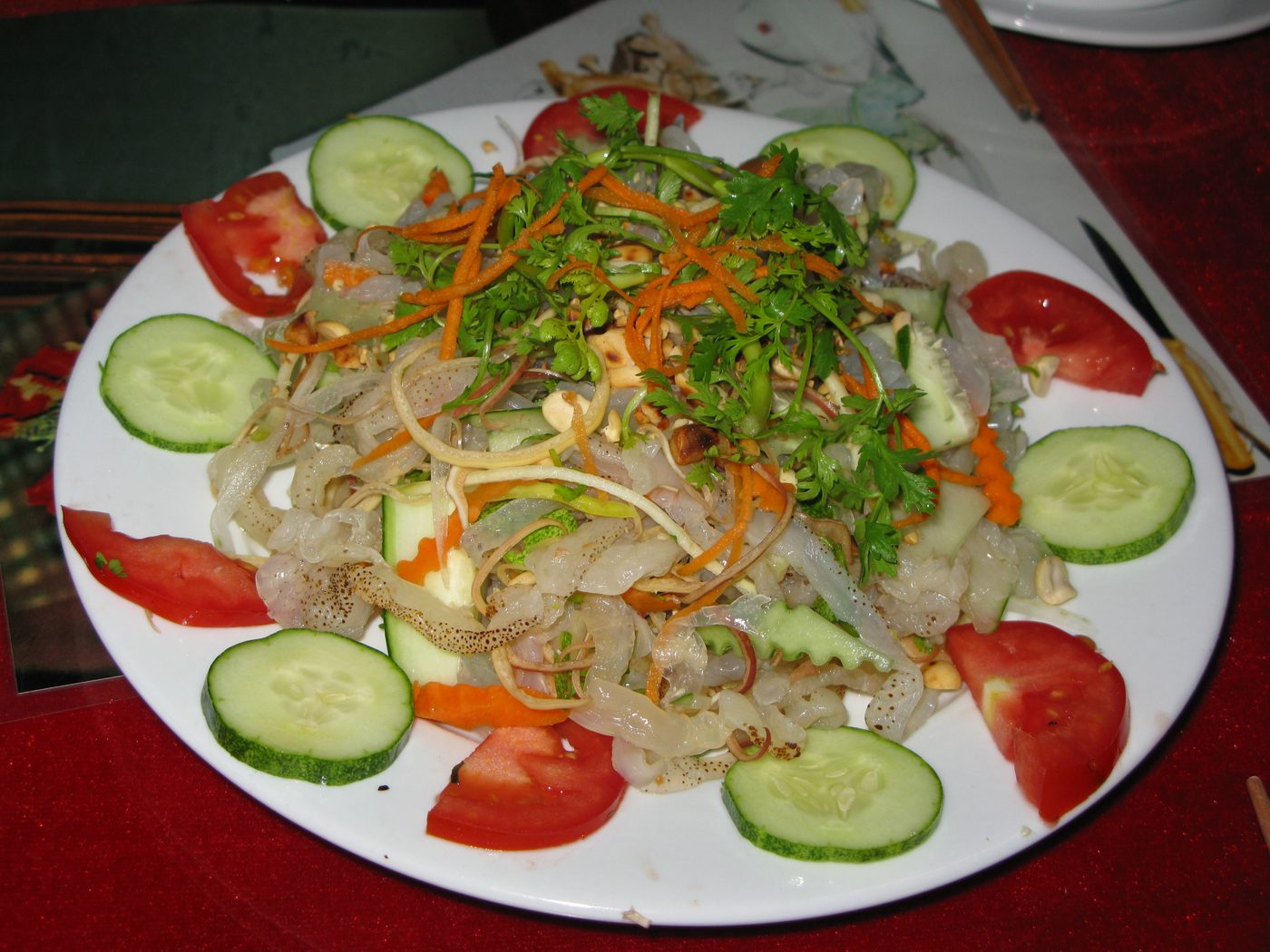
Nộm sứa is a crisp jellyfish salad at Đồ Sơn.
Cha ruoi Chả rươi
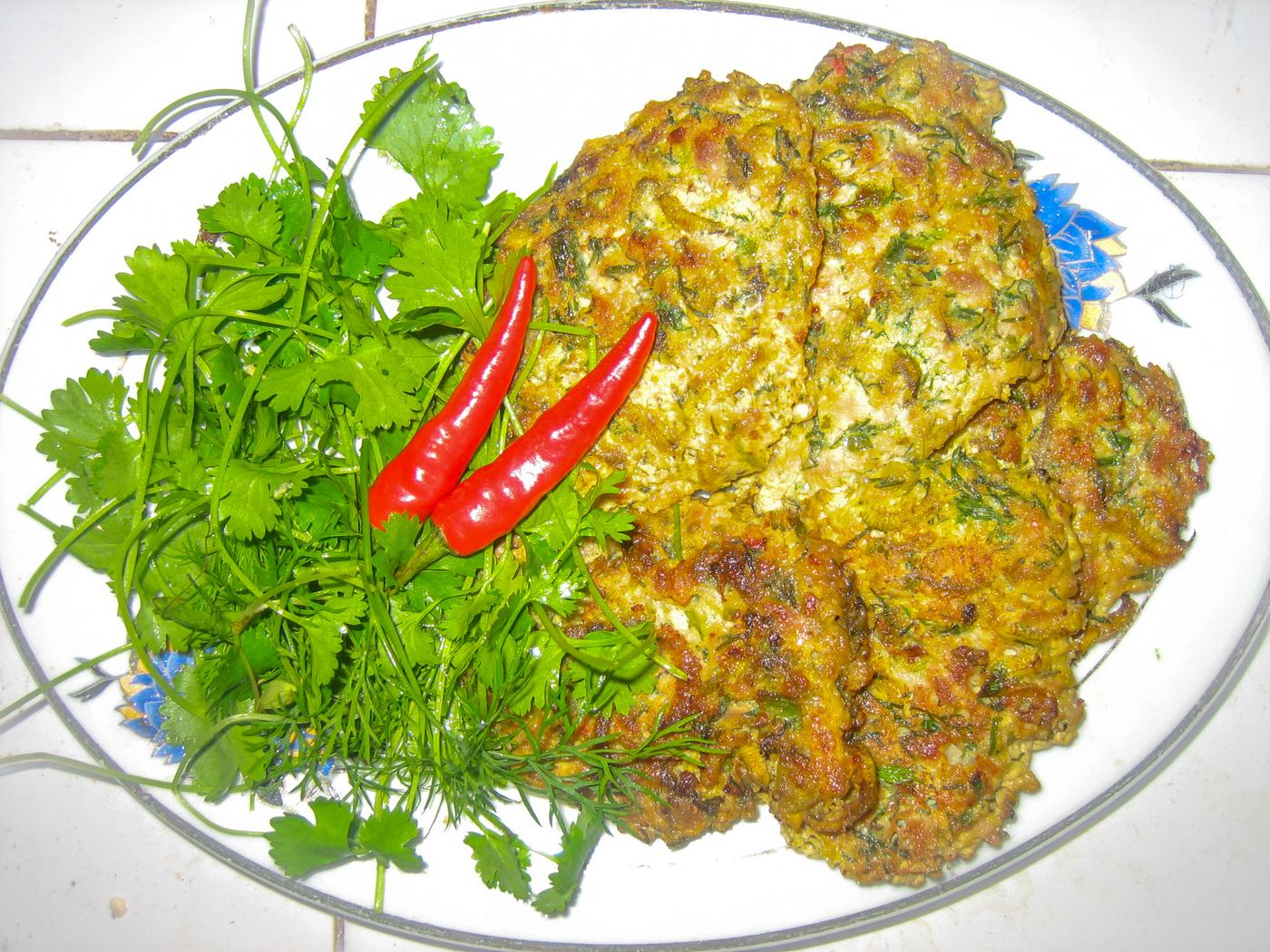
Chả rươi is a seasonal fried ragworm cake, slightly charred and crisp outside, soft and fatty inside. The mix is ragworm, pork, egg, and dill, and tangerine peel marks the taste.
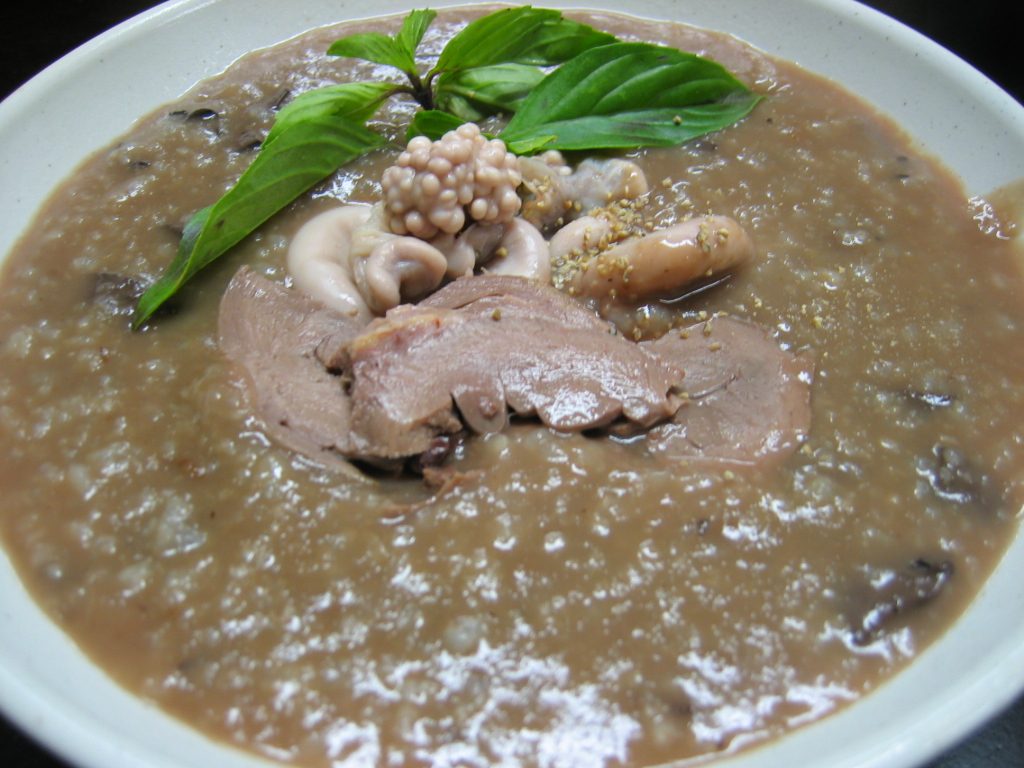
Chao long Cháo lòng
Cháo lòng is an offal rice porridge on Hải Phòng’s specialty list.
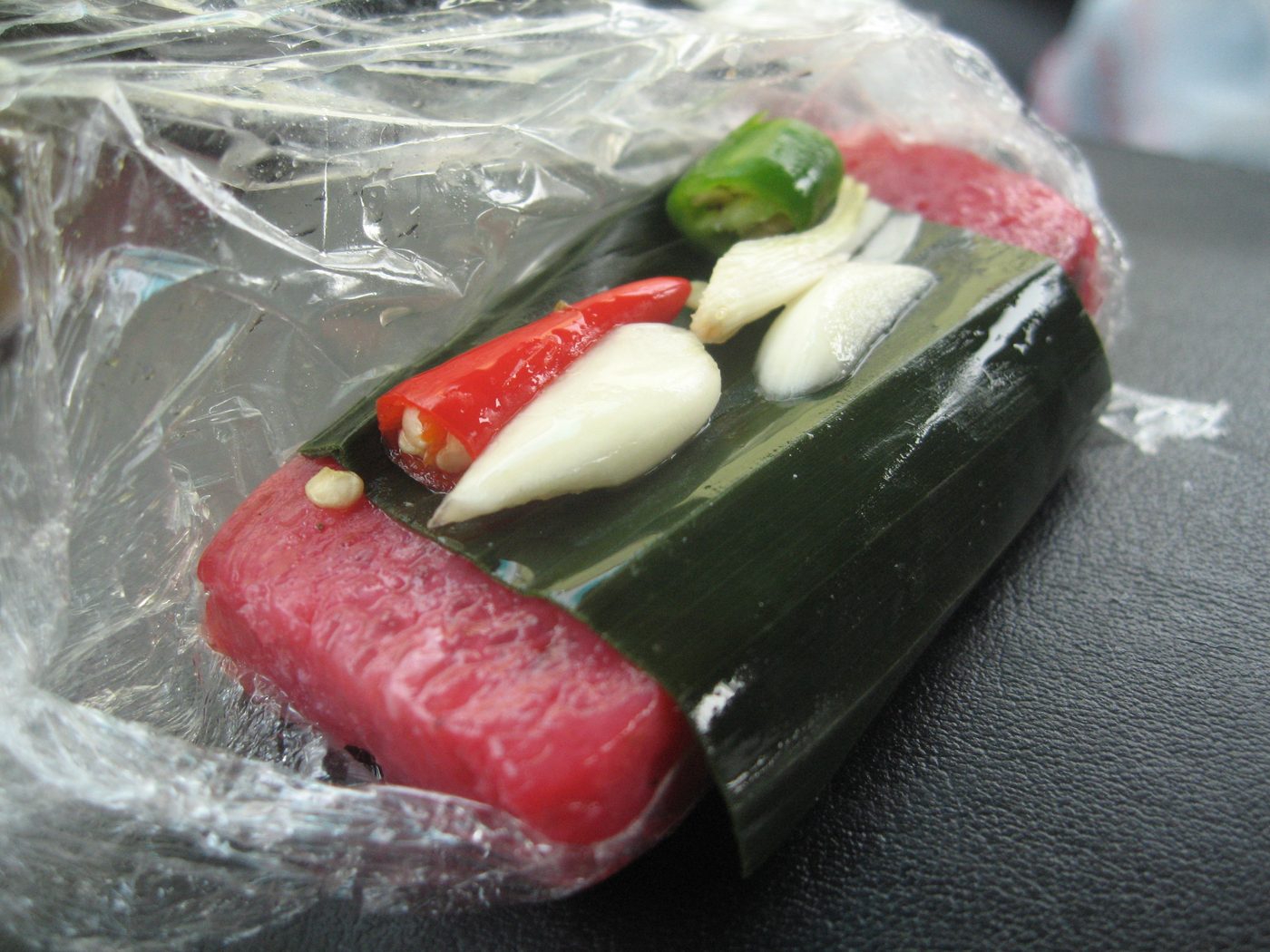
Nem chua Nem chua
Nem chua is on Hải Phòng’s specialty list. Nem chua An Thọ is listed on its own among traditional products.
More bowls
Bún cá cay is the other morning bowl. Bún tôm is the shrimp-noodle bowl people ask for beside bánh đa cua.
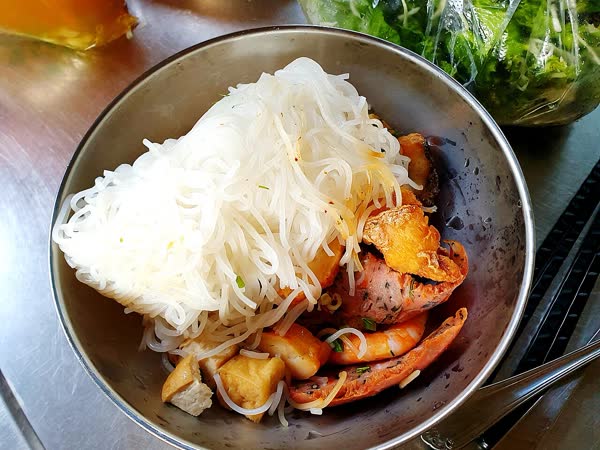
Bun ca cay Bún cá cay
Lê Lợi and Lê Lai
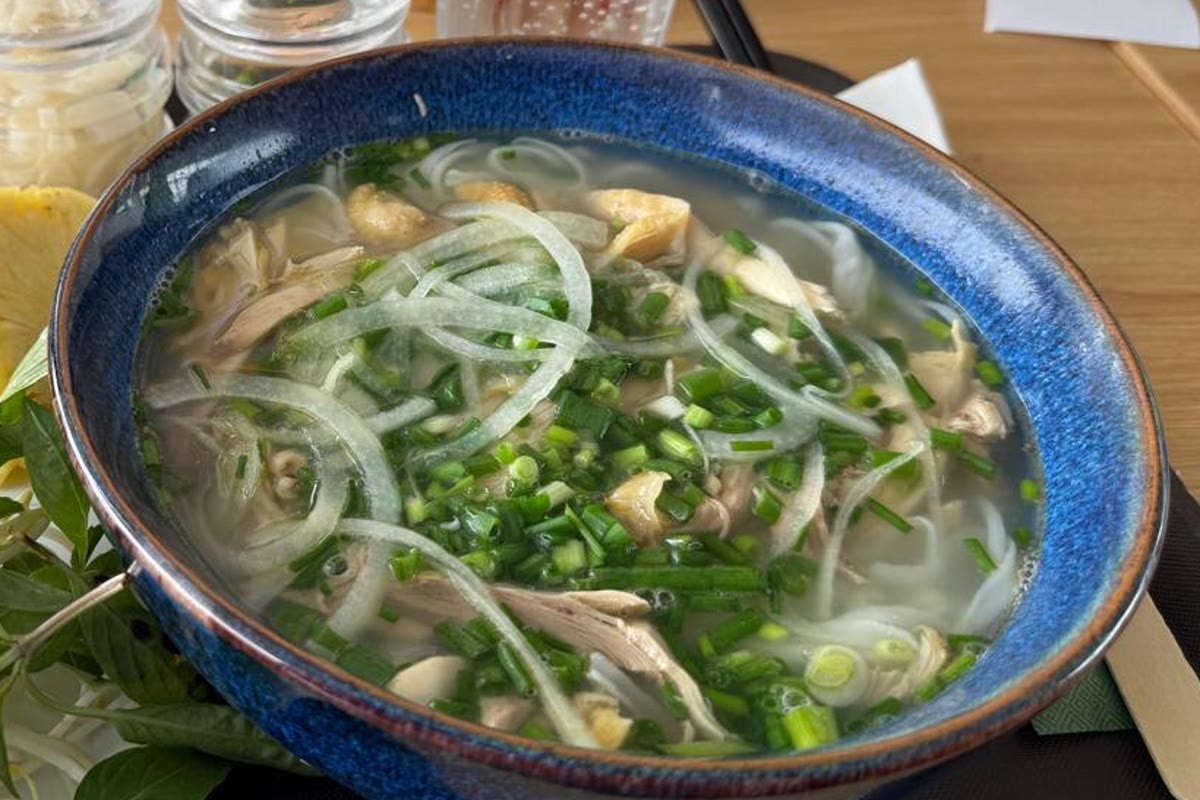
Bún cá cay is a morning bowl of rice noodles and fish in a light broth with a chili note. A full bowl has close to ten toppings from the fish, including offal and fish maw, plus banana blossom and dọc mùng.
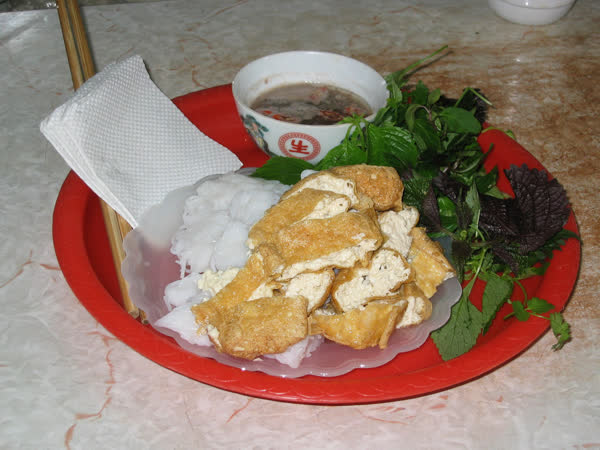
Bun tom Bún tôm
Hai Phong
Bún tôm is a shrimp-noodle bowl visitors ask for beside bánh đa cua.
The drinks and the sweets
Trà cúc is the glass that goes with the small sandwich. Cà phê cốt dừa is the coconut coffee. Dừa dầm and chè are the sweets at Cát Bi.
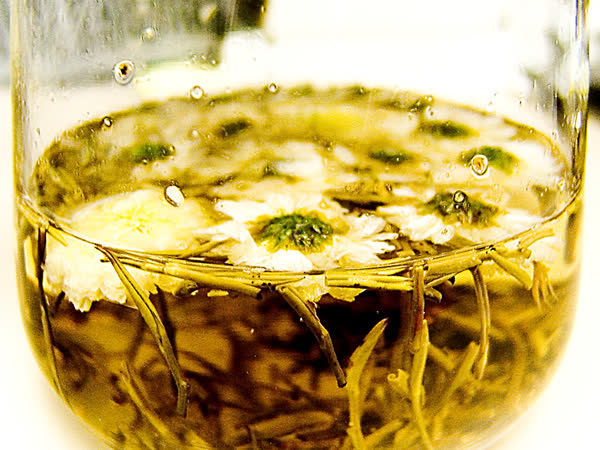
Tra cuc Trà cúc
Phan Bội Châu
Trà cúc is a glass of chrysanthemum, liquorice, and kumquat. The taste is bitter, sweet, and astringent at once.
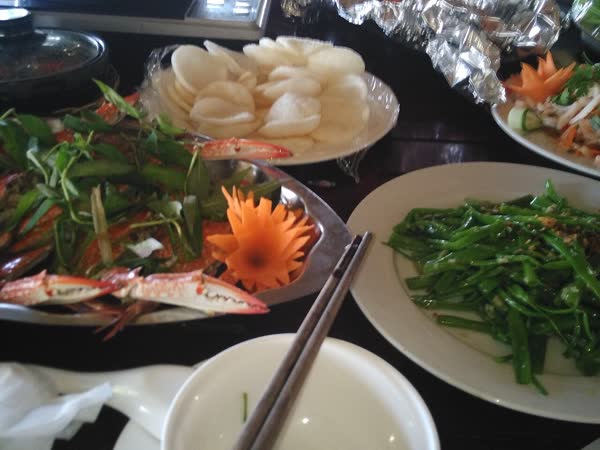
Ca phe cot dua Cà phê cốt dừa
Hai Phong
Cà phê cốt dừa is Hải Phòng’s coconut coffee, listed with trà cúc among the city’s drinks.
Dua dam Dừa dầm
Chợ Cát Bi
Dừa dầm is a coconut sweet at Cát Bi market. Chè dừa dầm is listed separately among the port dishes.
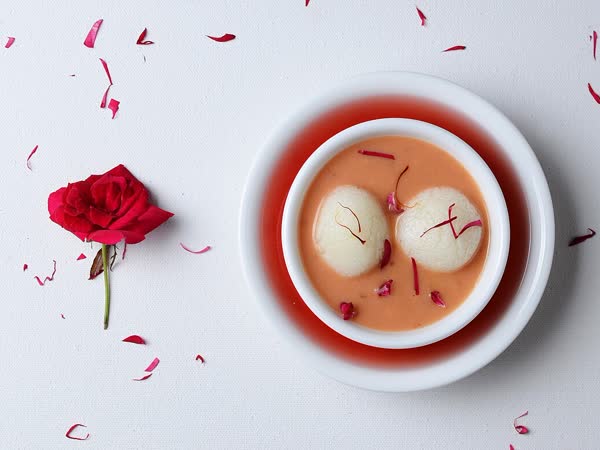
Che Chè
Chợ Cát Bi
Chè at Cát Bi is the market’s sweet soups, set out with the other sweets.
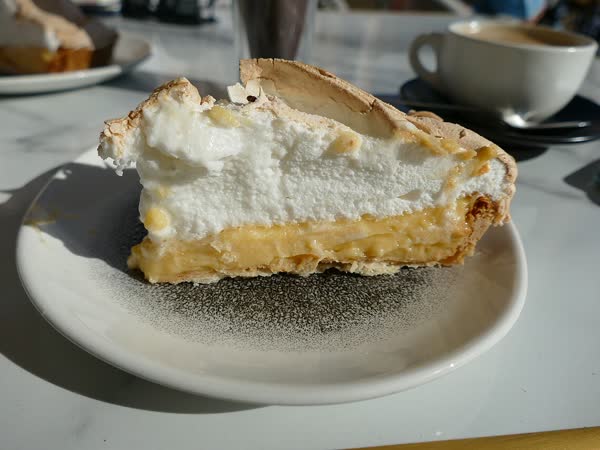
Pate Pate
Hai Phong
Pate is a Hải Phòng mark of its own, and it is also the fragrant filling inside bánh mì cay.
Market snacks
Bánh bèo is the square rice cake. Giá bể and bì bò share the afternoon markets with it.
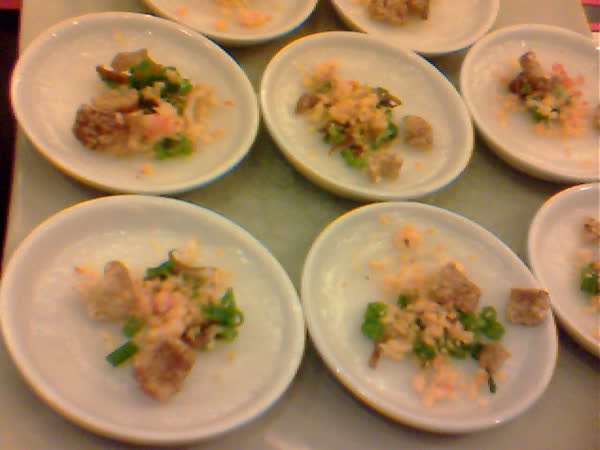
Banh beo Bánh bèo
Lê Đại Hành, and the afternoon markets
Bánh bèo here is a square rice-flour cake with pork, wood ear, and fried shallot, on banana leaf. The dip is fish sauce with chili powder and pepper.
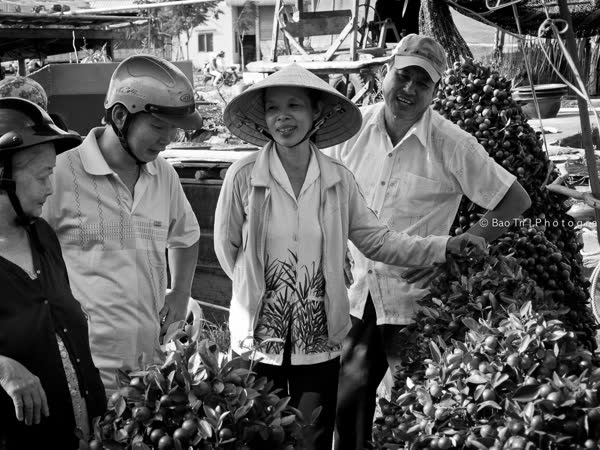
Gia be Giá bể
Chợ Cát Bi and the afternoon markets
Giá bể, also written giá bể xào, is a Hải Phòng snack at Cát Bi market and the afternoon markets.

Bi bo Bì bò
Cát Bi, Cố Đạo, Chu Văn An, and An Dương
Bì bò is an afternoon plate at Cát Bi, Cố Đạo, Chu Văn An, and An Dương, beside giá bể and bánh bèo.
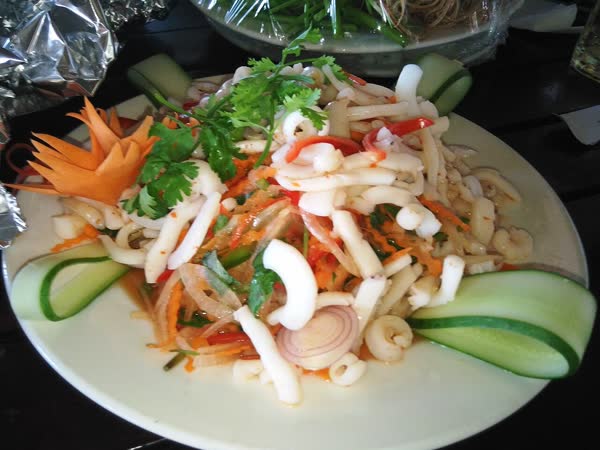
Banh duc tau Bánh đúc tàu
Hai Phong
Bánh đúc tàu is a cake on Hải Phòng’s specialty list.
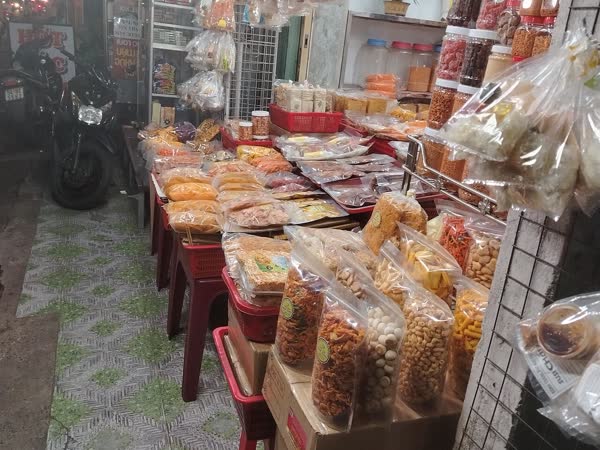
Cha chia Ha Lung Chả chìa Hạ Lũng
Hai Phong
Chả chìa Hạ Lũng is a Hải Phòng dish listed with bánh đa cua among the country’s notable dishes.

Com chay hai san Cơm cháy hải sản
Hai Phong
Cơm cháy hải sản is crispy rice with seafood, listed among Hải Phòng’s traditional products.
Đồ Sơn plates
Nộm sứa is the crisp jellyfish salad. These two plates are grilled geoduck with scallion fat, and salt-fried mantis shrimp.
Tu hai Tu hài nướng mỡ hành
Đồ Sơn
Tu hài nướng mỡ hành is geoduck grilled with scallion fat at Đồ Sơn.
Be be rang muoi Bề bề rang muối
Đồ Sơn
Bề bề rang muối is salt-fried mantis shrimp at Đồ Sơn. The same animal also sits in a full bánh đa cua bowl.
Regional dishes
Cua lông and bún cá rô đồng are the former Hải Dương dishes now inside the city. Bánh cuốn and bánh đậu xanh are the Tây Hải Phòng pair, honored with chả rươi. Chả rươi is already with the port plates, because other accounts place the worm in Tiên Lãng, Vĩnh Bảo, and Tứ Kỳ.
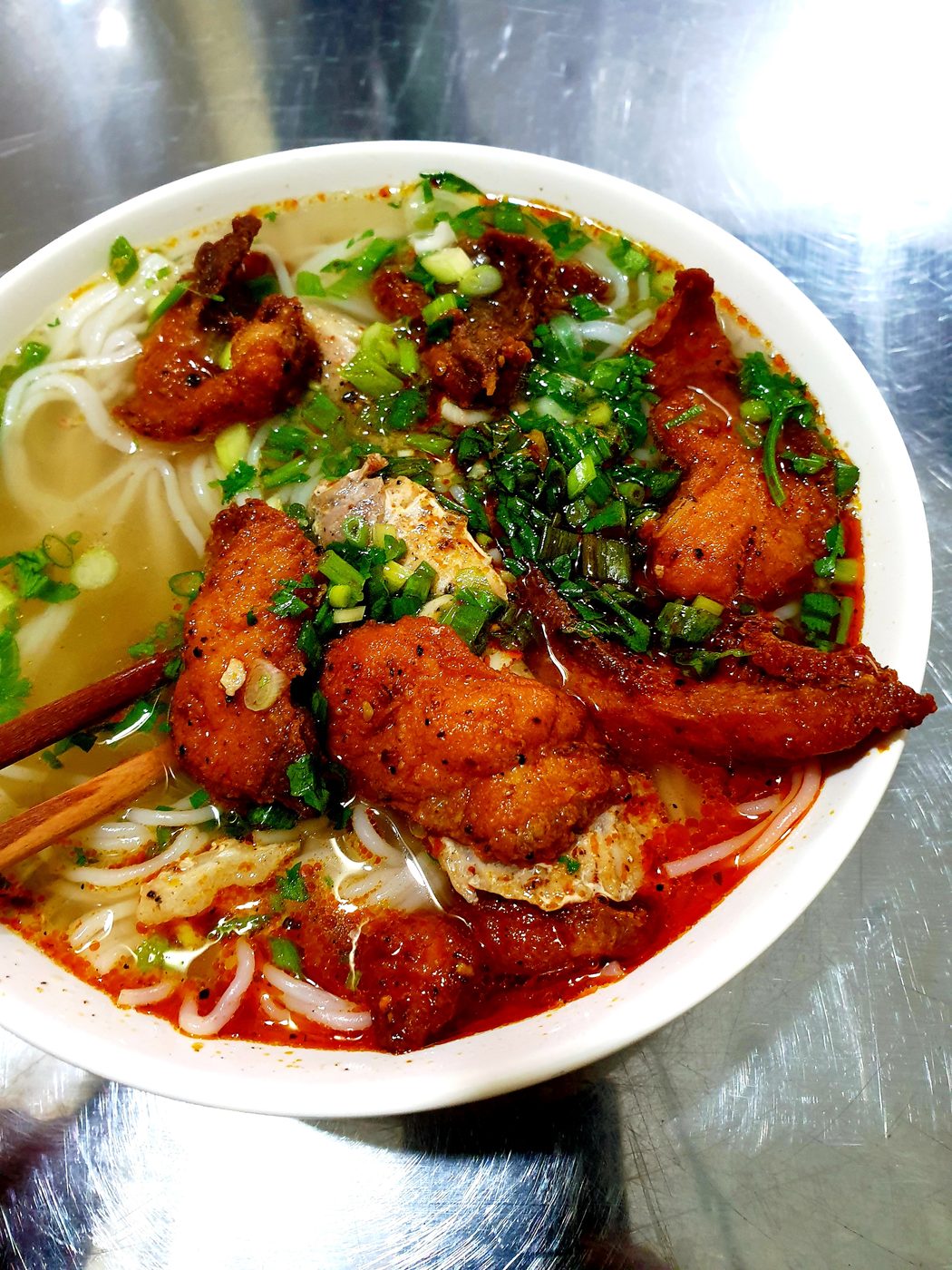
Bun ca ro dong Bún cá rô đồng
Bún cá rô đồng is a noodle bowl of climbing perch from the former Hải Dương land now inside the city. It is not the center’s bún cá cay.
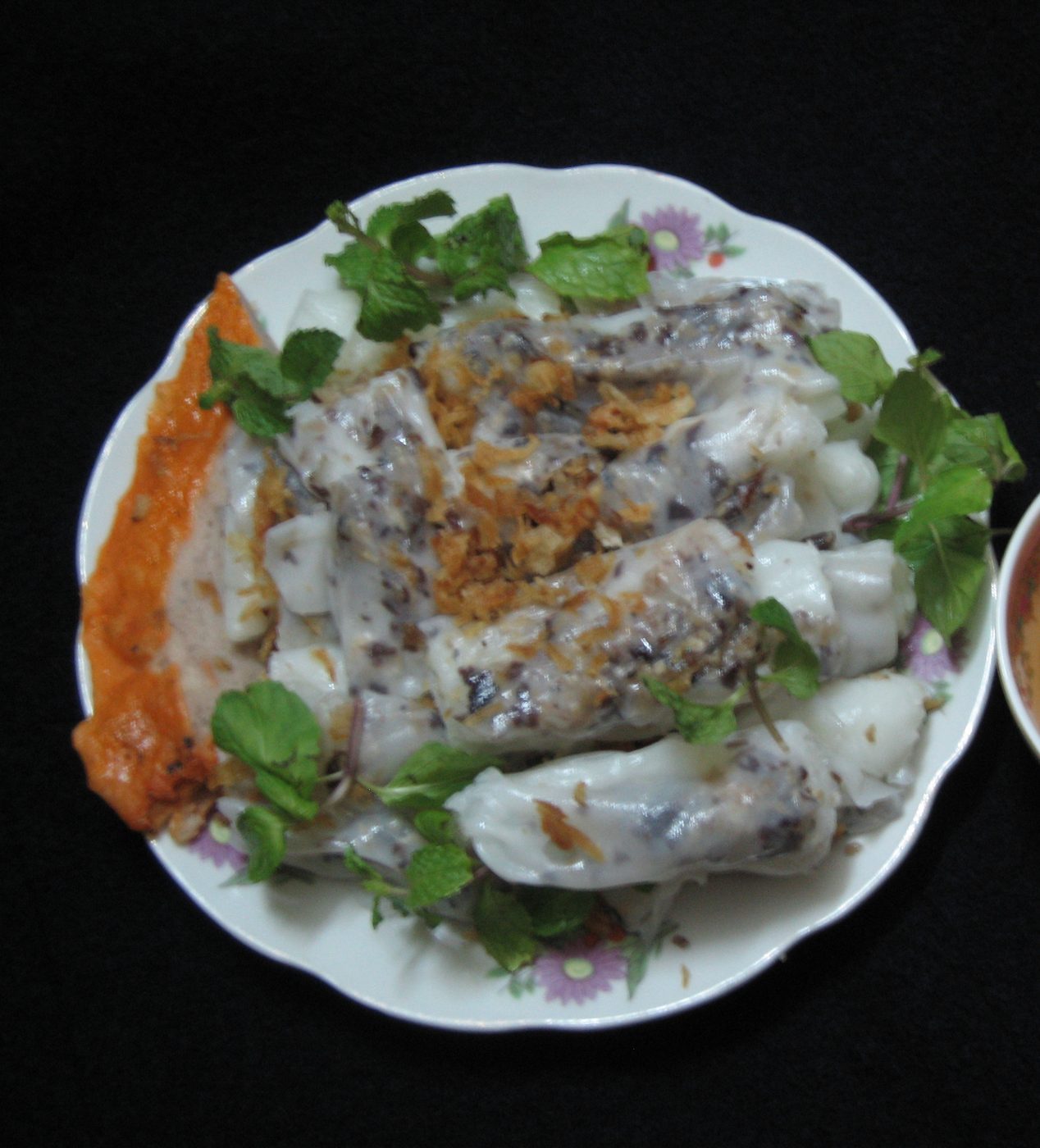
Banh cuon Bánh cuốn
Bánh cuốn is a rolled rice sheet, an everyday specialty of Tây Hải Phòng, honored with bánh đậu xanh and chả rươi.
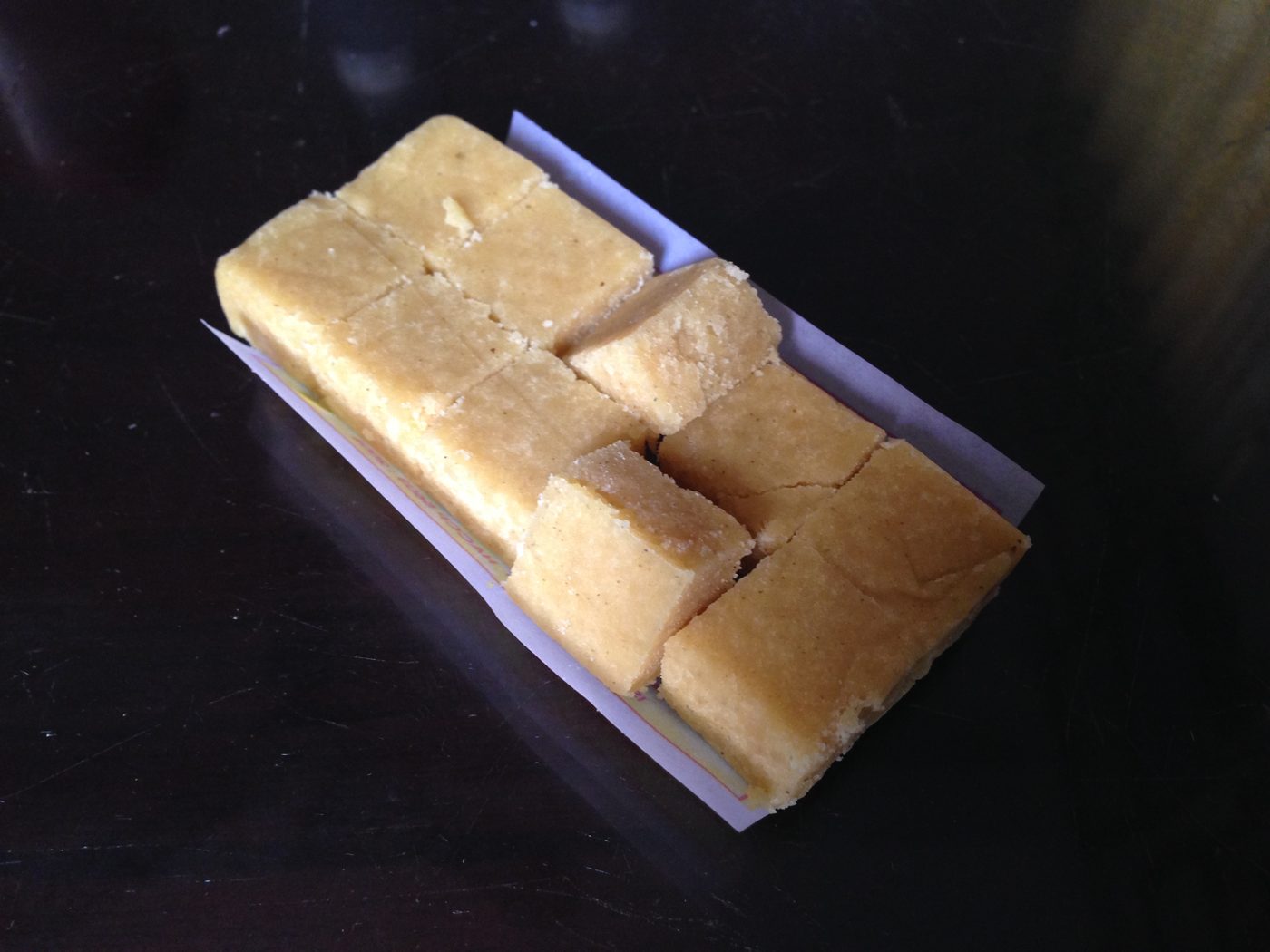
Banh dau xanh Bánh đậu xanh
Bánh đậu xanh is a mung-bean cake of Tây Hải Phòng, honored with bánh cuốn and chả rươi.

Cua long Cua lông
Former Hải Dương side
Cua lông is a hairy crab from the former Hải Dương land now inside the city. It is not the crab in bánh đa cua.
Casual dining
These are the markets and streets the accounts name. A shop name is not a stop.
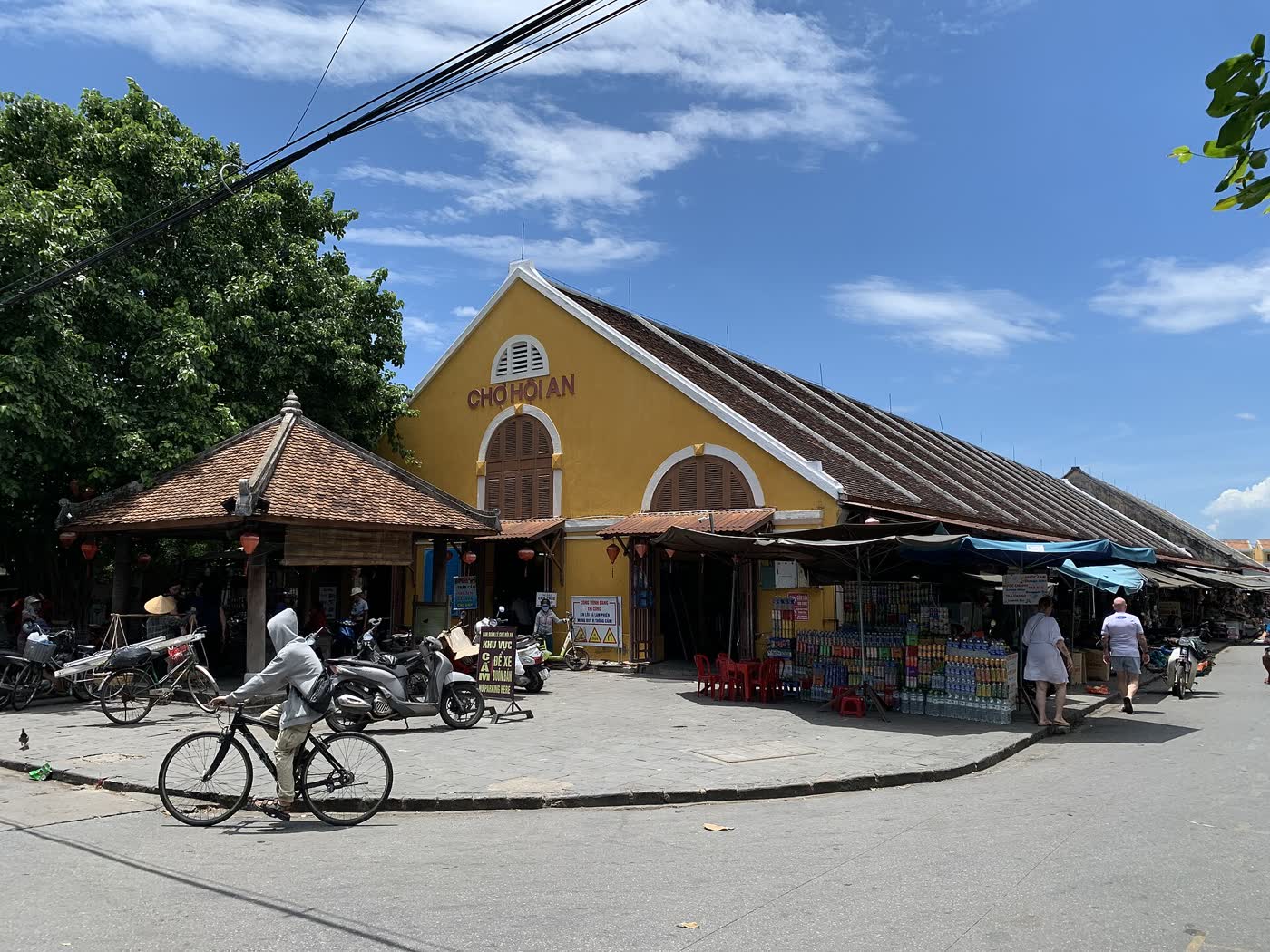
Cat Bi market Chợ Cát Bi
phường Thành Tô, quận Hải An
The middle of the market is the snack stop for bánh đa cua, giá bể, chè, dừa dầm, and bánh mì cay. Hours vary.
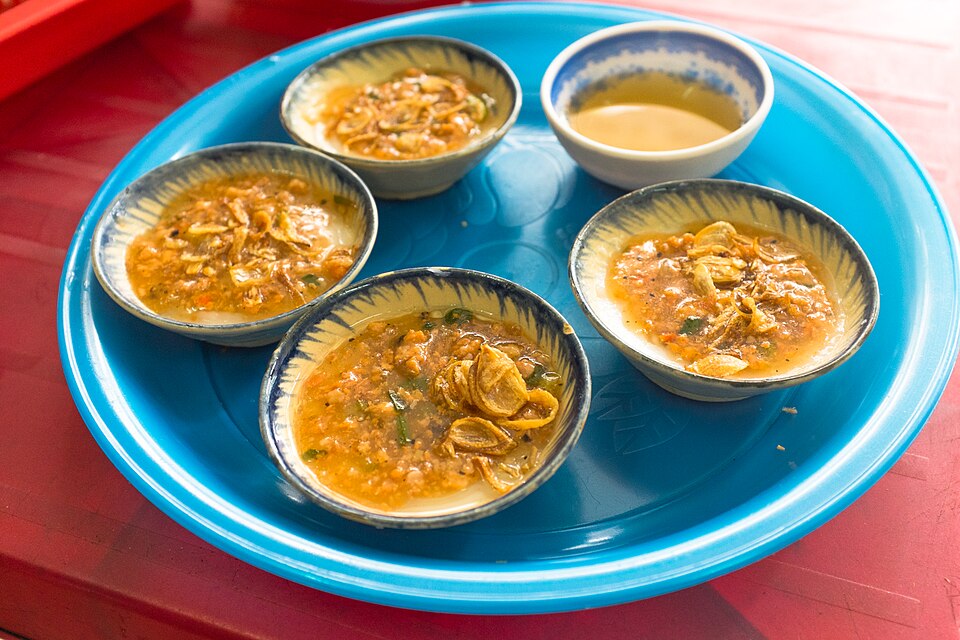
Afternoon markets Chợ Cố Đạo, chợ Chu Văn An, chợ An Dương
Cát Bi, Cố Đạo, Chu Văn An, and An Dương
The afternoon round with Cát Bi for giá bể, bì bò, and bánh bèo. Hours vary.
Lach Tray Lạch Tray
Lạch Tray
A bánh đa cua address and an ốc address sit on this street. Hours vary.
Tran Phu Trần Phú
Opposite the opera
Pavement tables opposite the opera run from about 18:00 until past midnight. Later maps also place bánh đa cua on Lạch Tray and at Cát Bi. Confirm the evening hours locally.
Phan Boi Chau Phan Bội Châu
Phan Bội Châu
The trà cúc street. Bánh mì cay is also on Lê Lợi and Minh Khai. Hours vary.
The start of Lê Đại Hành
The start of this street is the bánh bèo stretch. Hours vary.
Do Son street food Ẩm thực đường phố Đồ Sơn
phường Đồ Sơn
The ward is known for bánh đa cua, nộm sứa, tu hài, and bề bề. Hours vary.
Breakfast
Morning is bún cá cay, then bánh mì cay with trà cúc. Bánh đa cua is also the common breakfast, and the evening meal. In winter the small sandwich also turns up at the end of the working day.