Tay Ninh food guide
Stop in Trảng Bàng on the road from Ho Chi Minh City and roll bánh tráng phơi sương around boiled pork or young beef, with a basket of forest herbs and a bowl of bánh canh beside it. Then carry a jar of muối tôm, look for the Khmer and Cham plates of the border, and save lẩu mắm and dried snakehead for the old Long An half.
Compare a room, or search a tour.
Check stays Klook tours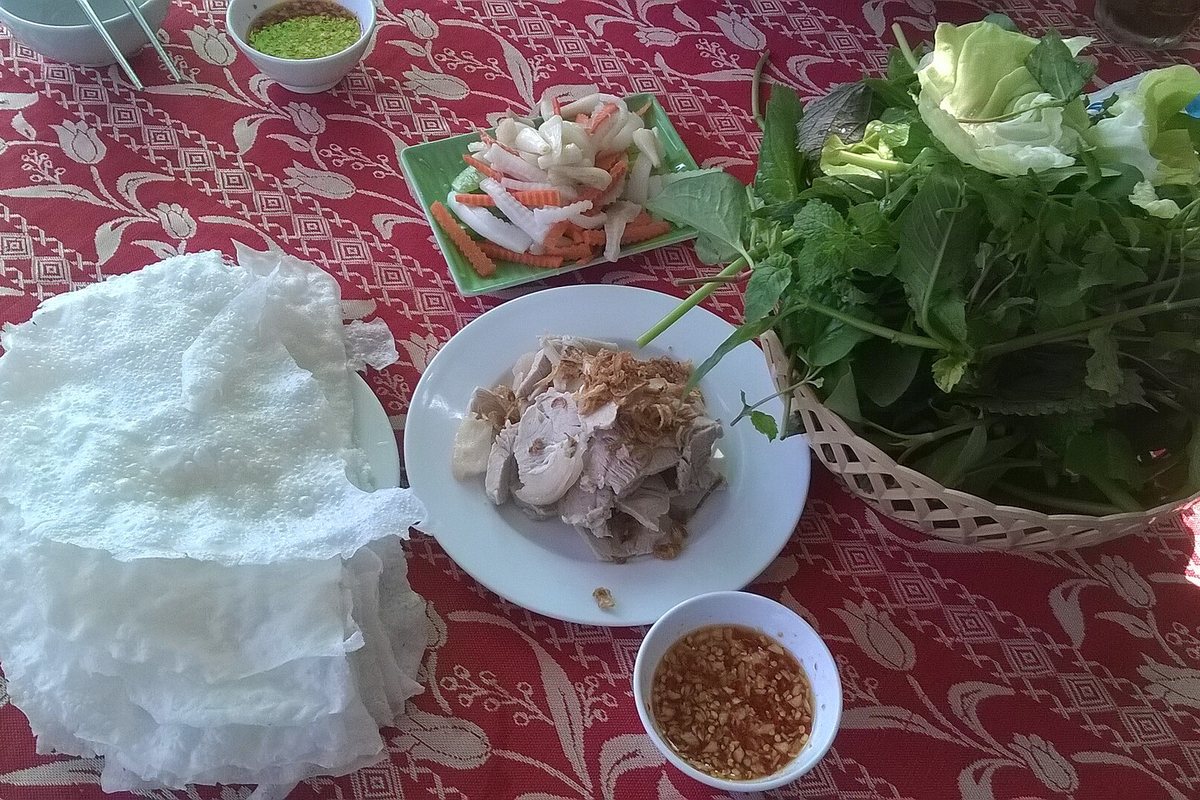
Photo: Vietcuongdao · CC BY-SA 4.0
The sheet is the reason to stop. In khu phố Gia Huỳnh you sit down to pale, bubbled rice paper, boiled meat, herbs, and a dipping sauce; in khu phố Lộc Du, come in the morning to watch sheets toasted over peanut shells and rested in the dew.
Bánh canh is the other Trảng Bàng bowl, soft rice-flour strands in a sweet pork-bone broth. Young beef is lunch: steamed or boiled, sliced thin, and rolled in the same sheet, with grilled, steamed, dipped, hotpot, and porridge plates from the same kitchens.
At the mountain, Bà Đen custard apple is the fruit to carry. Toward the border, Khmer cooks make bún Xiêm Lo, a snakehead noodle bowl with turmeric and lemongrass, and mắm chua from Dầu Tiếng shrimp and fish; the Cham Islam community keeps Tung Lò Mò sausage, cà ri bò, and bánh thuẫn. At the Holy See, vegetarian food is part of a visit.
Hoa kitchens cook hủ tiếu and mì hoành thánh in a clear, lightly sweet broth, plus dim sum and two sweets. Resolution 202/2025/QH15 joined old Long An into the province, so lẩu mắm, Nàng Thơm Chợ Đào rice, dried snakehead from kênh 79, Gò Đen rice spirit, and Đức Hòa dragon fruit are Tây Ninh food too, on a different day from the Holy See.
Tay Ninh specialties
Bánh tráng phơi sương is the stop. The other plates follow by area: Trảng Bàng, the border, the Hoa kitchens, and the old Long An half.
- Banh trang phoi suong
- Banh canh Trang Bang
- Muoi tom
- Bo to Trang Bang
- Bo nuong moi
- Bo nuong sa
- Bo hap gung
- Bo nhung giam
- Bo nhung mam ruoc
- Lau duoi bo
- Chao bo
- Mang cau Ba Den
- Bun Xiem Lo
- Mam chua
- Tung Lo Mo
- Ca ri bo
- Banh thuan
- Ca loc nuong trui
- Hu tieu
- Mi hoanh thanh
- Ha cao
- Xiu mai
- Banh bao
- Banh bao kim sa
- Chan ga hap tau xi
- Che me den
- Sam bo luong
- Kho ca loc
- Goi xoai kho ca loc
- Kho ca loc chien mam me
- Goi la sau dau
- Canh chua kho ca loc
- Lau mam
- Gao Nang Thom Cho Dao
- Ruou de Go Den
- Thanh long Duc Hoa
- Lap xuong tuoi
- Mam cong Can Giuoc
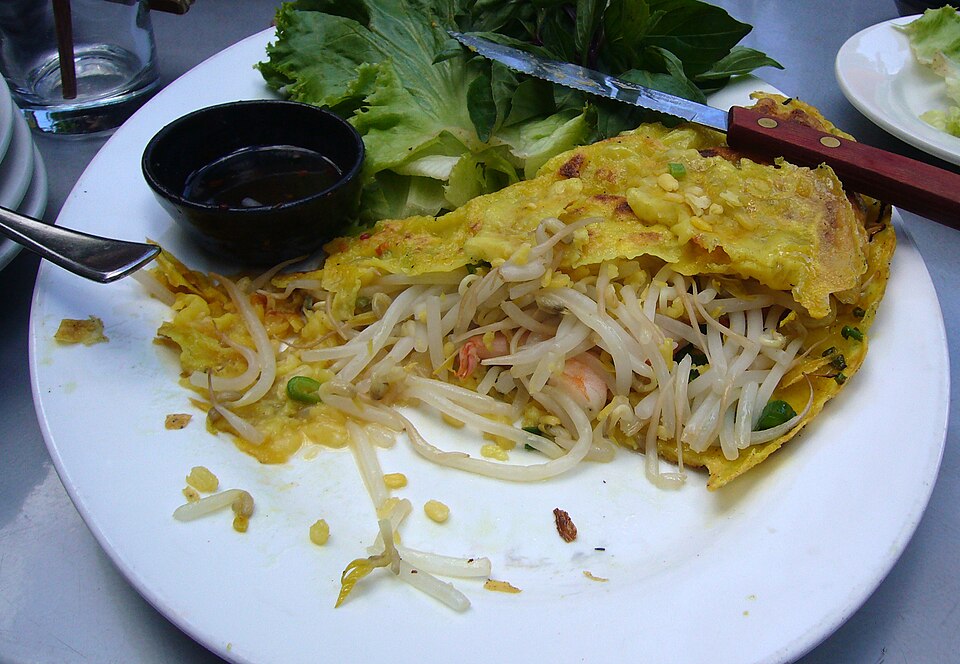
Banh trang phoi suong Bánh tráng phơi sương
A two-layer Trảng Bàng rice sheet, toasted over a peanut-shell fire until small bubbles rise, then rested briefly in the dew until it softens without going damp. You roll it at the table with boiled pork or young beef, a basket of garden and forest herbs, and a sauce that runs sour and sweet.
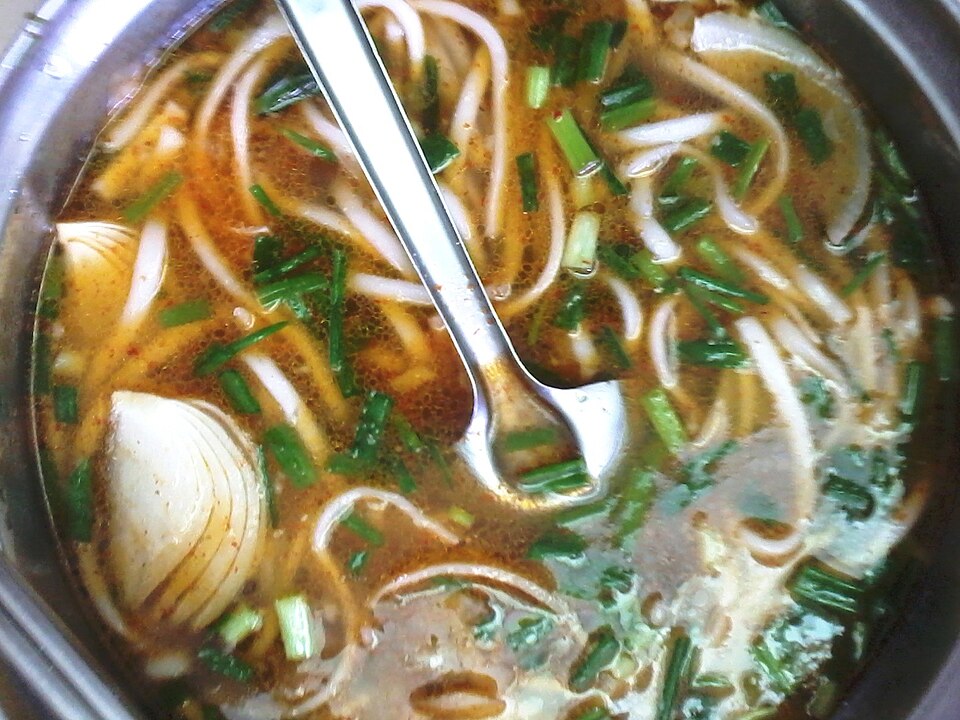
Banh canh Trang Bang Bánh canh Trảng Bàng
Trảng Bàng’s other bowl: long, soft rice-flour strands made without tapioca, in a pork-bone broth simmered for hours until it runs sweet and deep. It comes with pork hock, lean pork, blood cake or fish cake, scallion, and pepper.
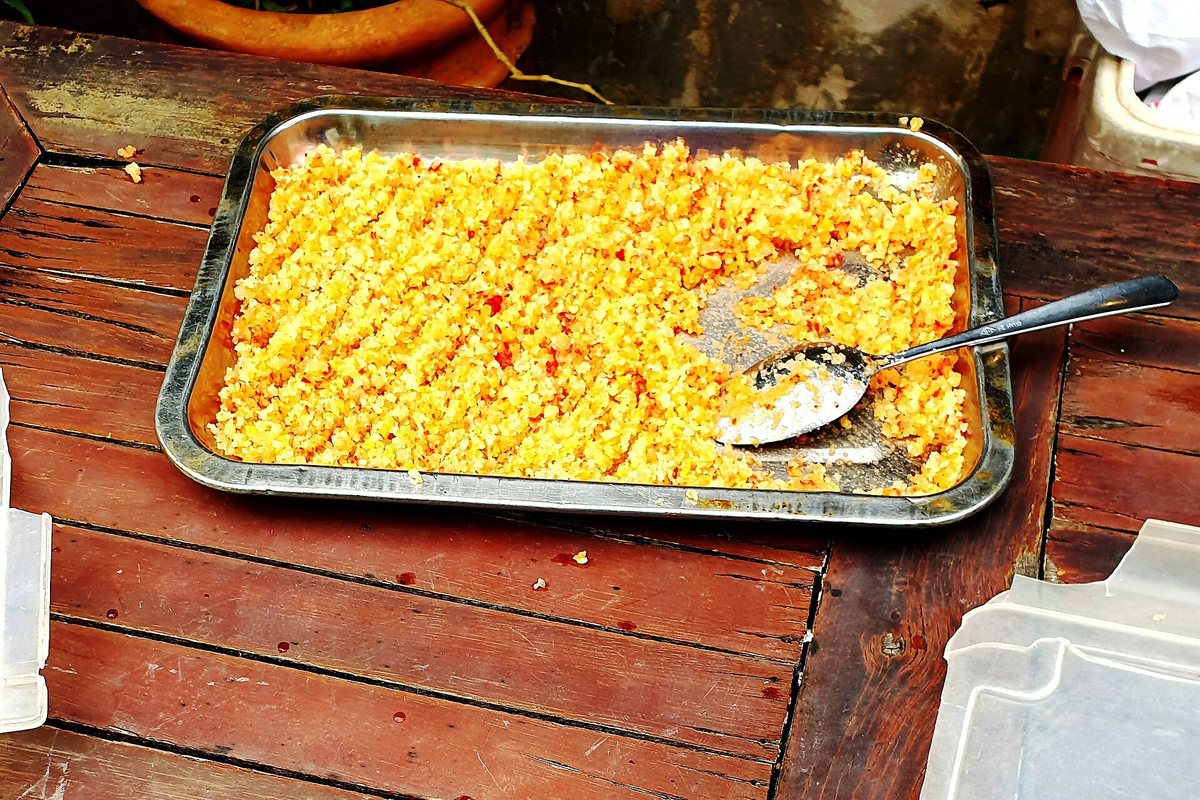
Muoi tom Muối tôm
Tây Ninh’s shrimp salt, salty, spicy, and aromatic, sold by the jar beside the Trảng Bàng rice paper. Eat it with fruit, with rice paper, or with other dishes.
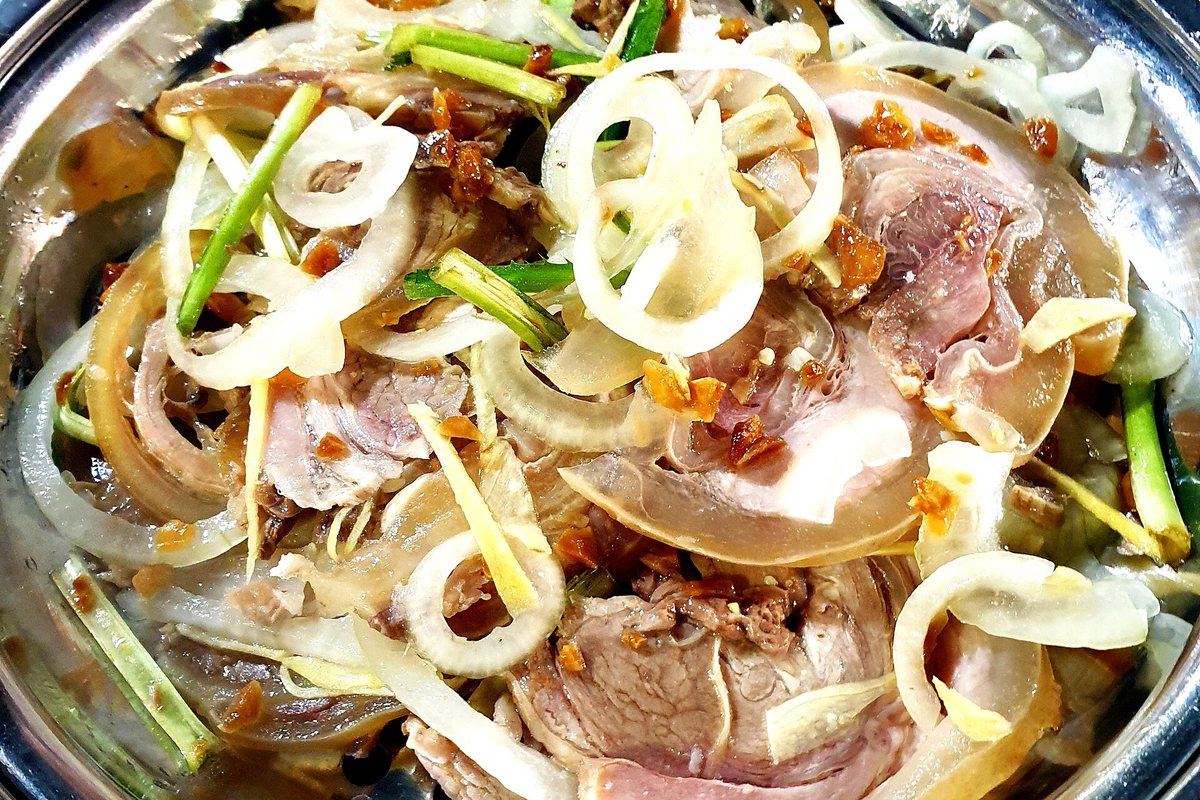
Bo to Trang Bang Bò tơ Trảng Bàng
Young Trảng Bàng beef, naturally sweet and soft with a crisp skin, sliced thin, steamed or boiled, and rolled in bánh tráng phơi sương with herbs and forest leaves. It is the lunch plate of the Trảng Bàng stop.
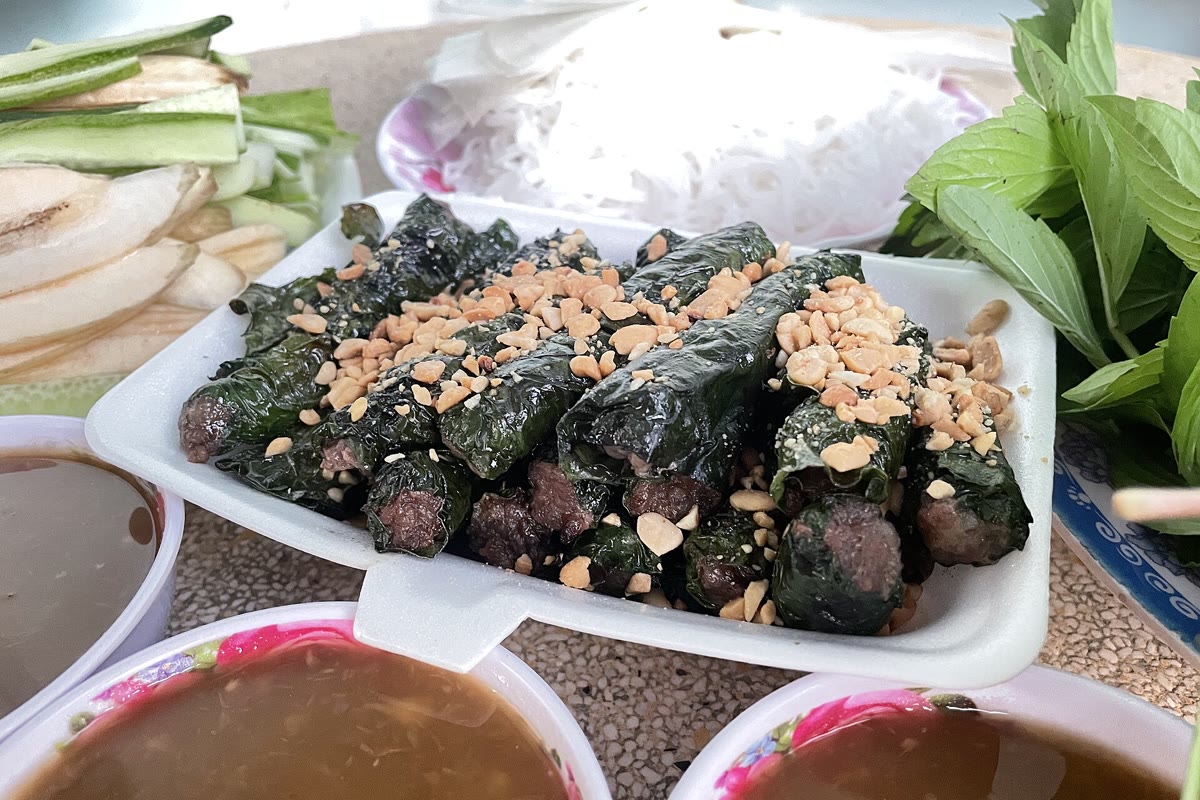
Bo nuong moi Bò nướng mọi
Trảng Bàng young beef grilled in the mọi style, one of the plates from the young-beef rooms on Quốc lộ 22. The beef is naturally sweet and soft.
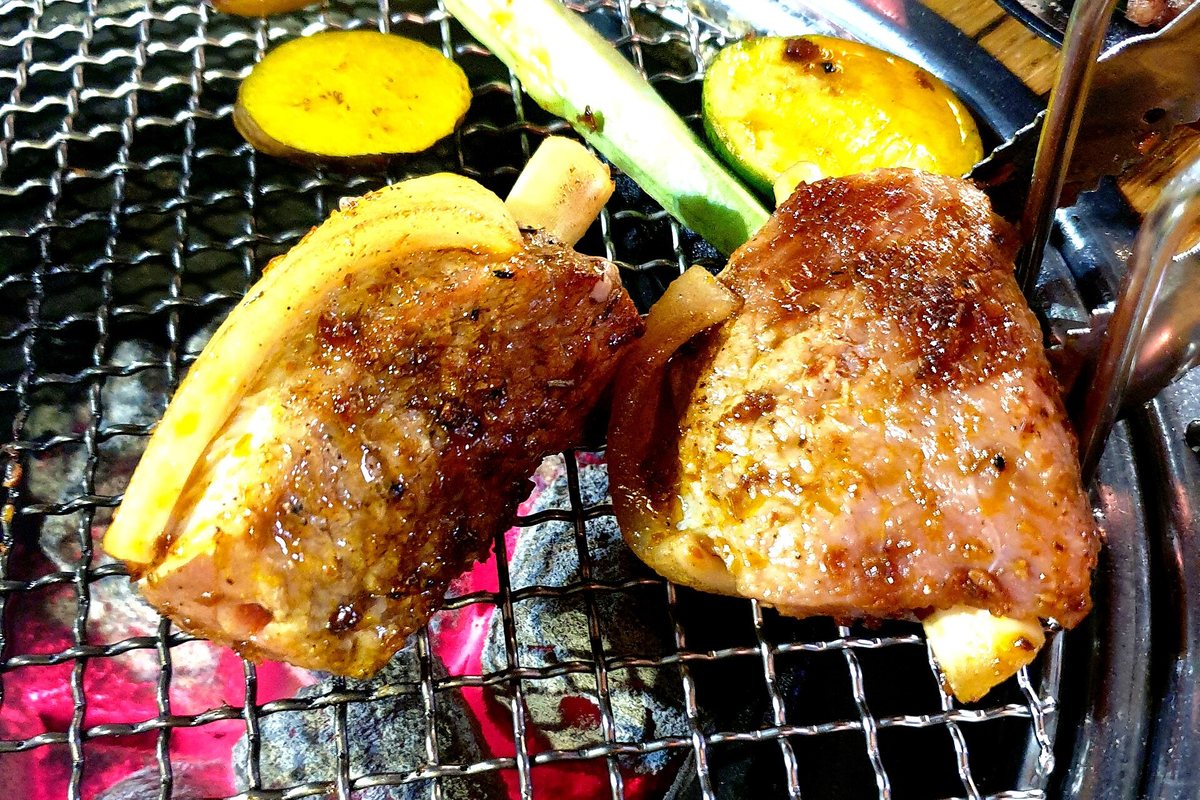
Bo nuong sa Bò nướng sả
Trảng Bàng young beef grilled with lemongrass, one of the plates from the young-beef rooms on Quốc lộ 22. The beef is naturally sweet and soft.
Trảng Bàng young beef steamed with ginger, one of the plates from the young-beef rooms on Quốc lộ 22. The beef is naturally sweet and soft.
Trảng Bàng young beef dipped in vinegar, one of the plates from the young-beef rooms on Quốc lộ 22. The beef is naturally sweet and soft.
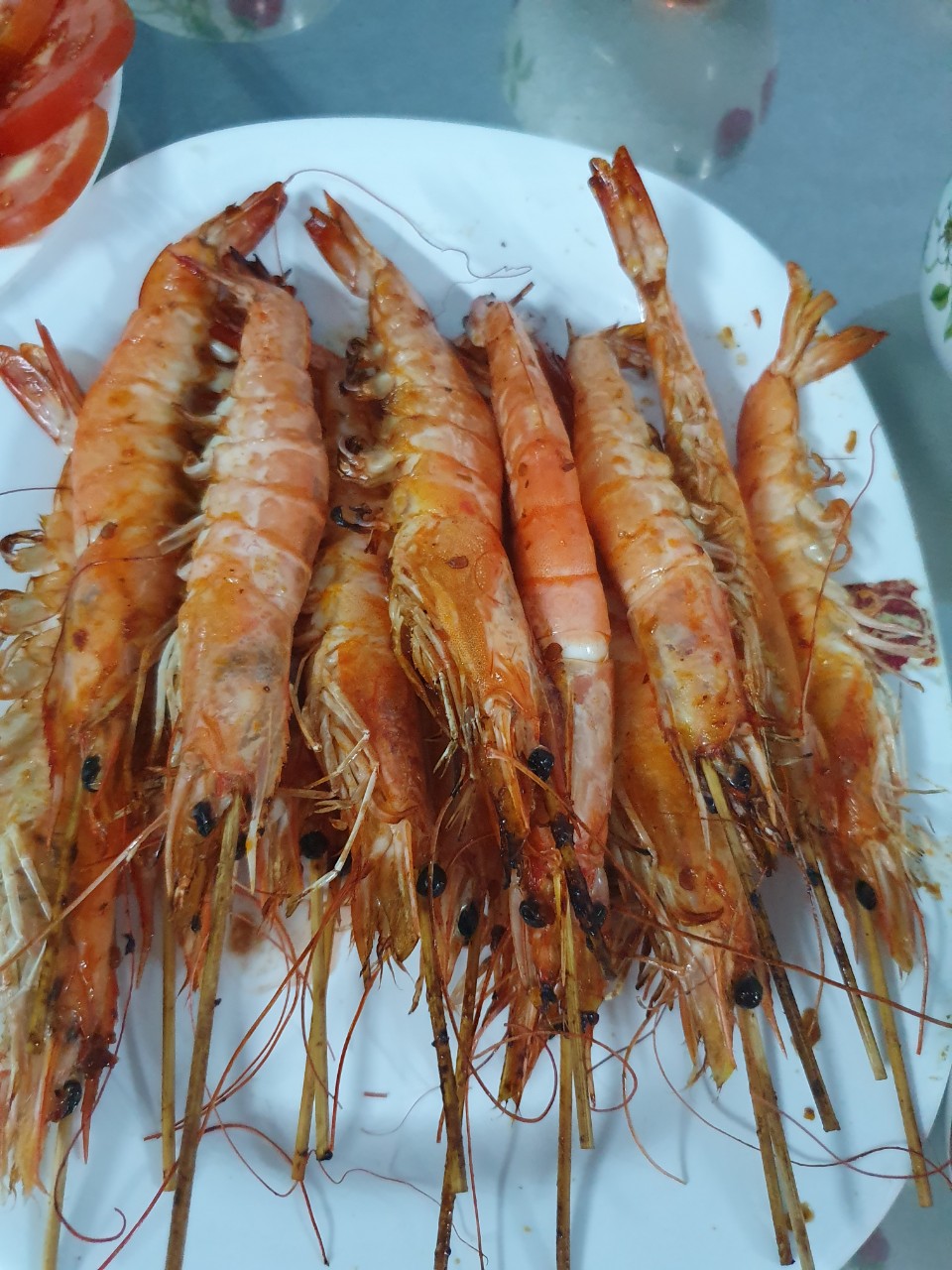
Bo nhung mam ruoc Bò nhúng mắm ruốc
Trảng Bàng young beef dipped in mắm ruốc, shrimp paste, one of the plates from the young-beef rooms on Quốc lộ 22. The beef is naturally sweet and soft.
Lau duoi bo Lẩu đuôi bò
An oxtail hotpot from the young-beef rooms of Trảng Bàng, made from the same young animals as the rice-paper roll.
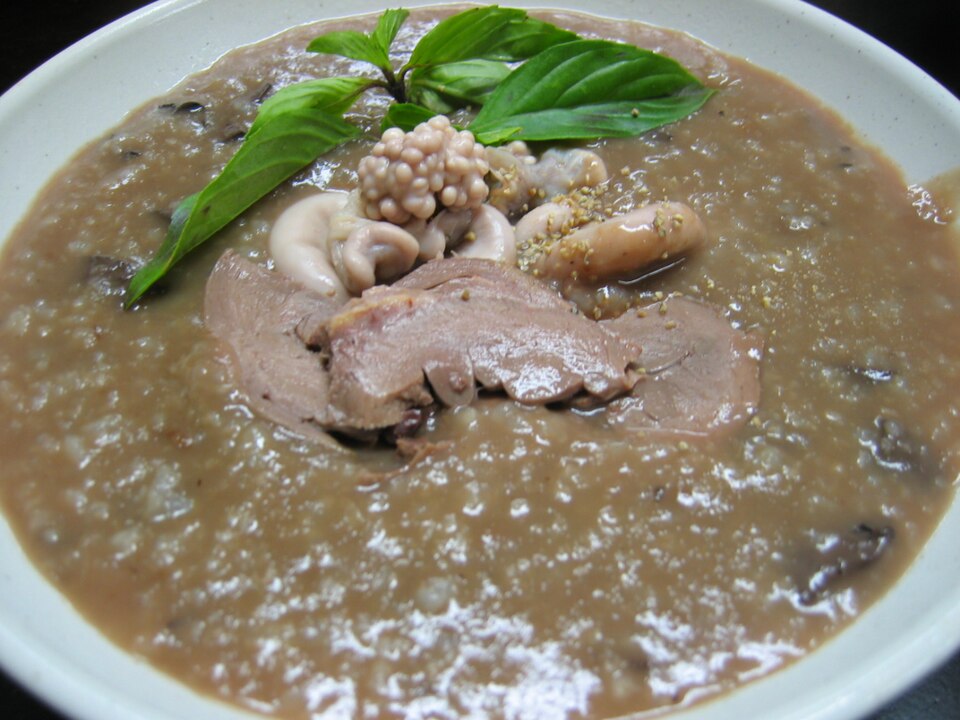
Chao bo Cháo bò
A beef rice porridge from the young-beef rooms of Trảng Bàng, made from the same young animals as the rice-paper roll.
Mang cau Ba Den Mãng cầu Bà Đen
Custard apple from the slopes of Núi Bà Đen: a large, fragrant fruit with thick eyes, deep grooves, and chewy flesh. One account calls it deeply sweet, and another calls it lightly sweet.
Bun Xiem Lo Bún Xiêm Lo
A Khmer border bowl of thin rice noodles in a snakehead broth with fresh turmeric and lemongrass, the fish served as cake or in pieces. The broth is naturally sweet from the fish, with the salty heat of muối ớt.
A ferment of tép and cá cơm from Hồ Dầu Tiếng, or tiny cá rễ tre, left about 15 days until it turns salty and sour with a sweet smell. It carries less salt than most mắm, so the sourness comes through.
A Cham Islam beef sausage, seasoned in the traditional way and fermented until it turns deep and lightly sour. It belongs to the community’s Halal cooking.
Beef curry from the Cham Islam community of Tây Ninh, cooked under Halal rules for choosing, preparing, and cooking food.
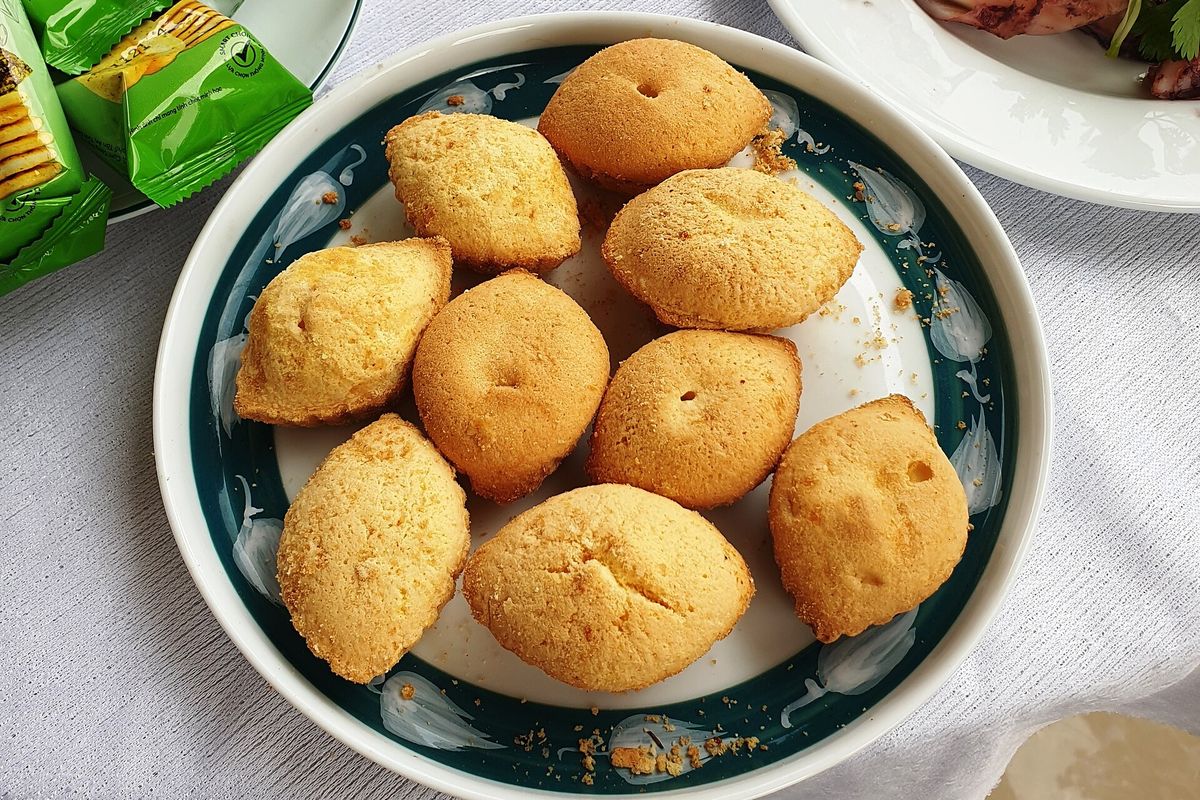
Banh thuan Bánh thuẫn
A small cake of the Cham Islam community, made for festivals and community gatherings, where it is a familiar taste.
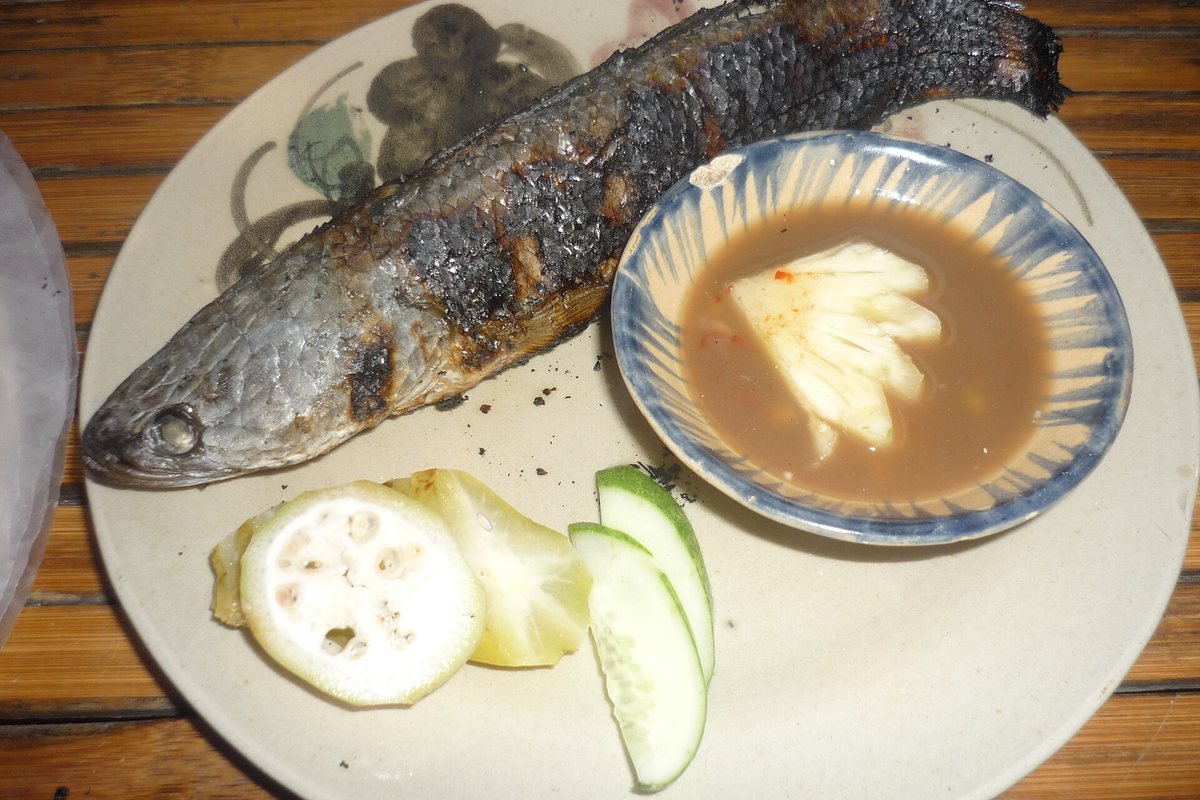
Ca loc nuong trui Cá lóc nướng trui
Snakehead grilled in the field style and rolled with whatever forest leaves are in season. It shares the table with bò tơ, bánh tráng phơi sương, and muối tôm, and it is a plate of the old Long An half too.
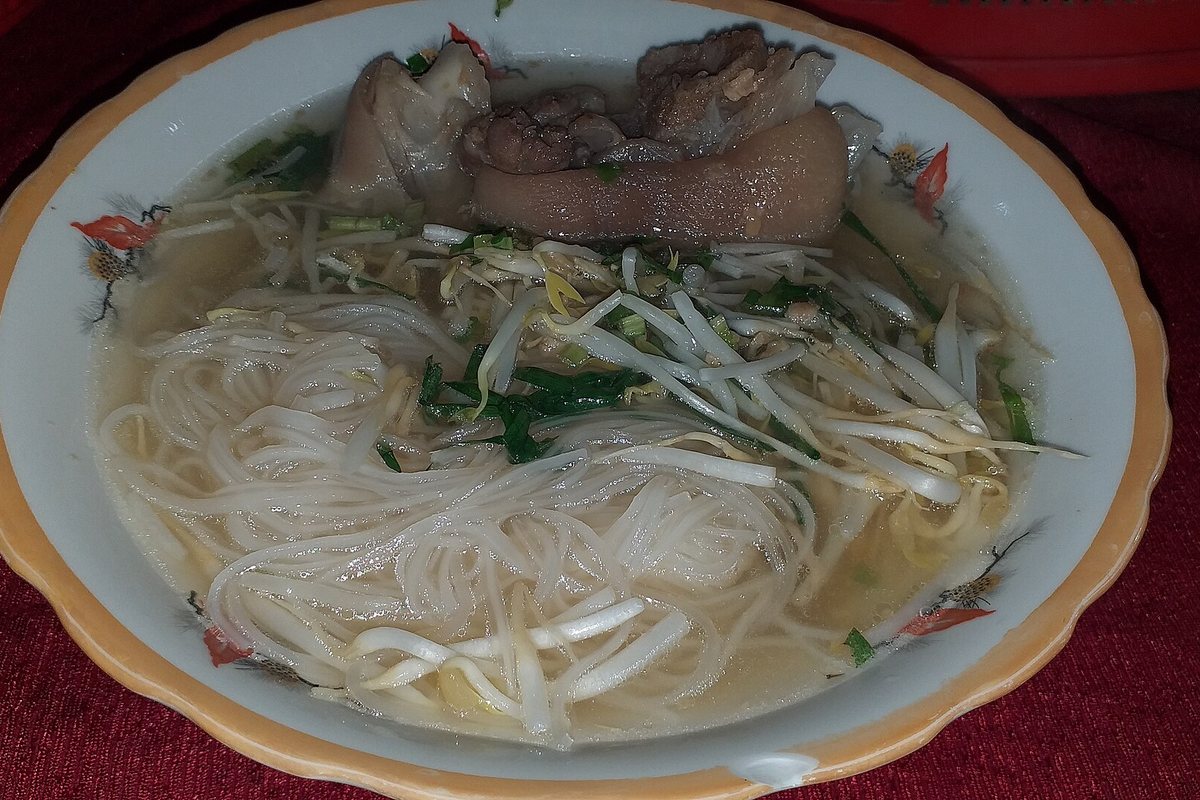
Hu tieu Hủ tiếu
A Hoa noodle bowl in a clear, lightly sweet broth, from the Teochew and Cantonese cooking that Tây Ninh’s Hoa families keep.
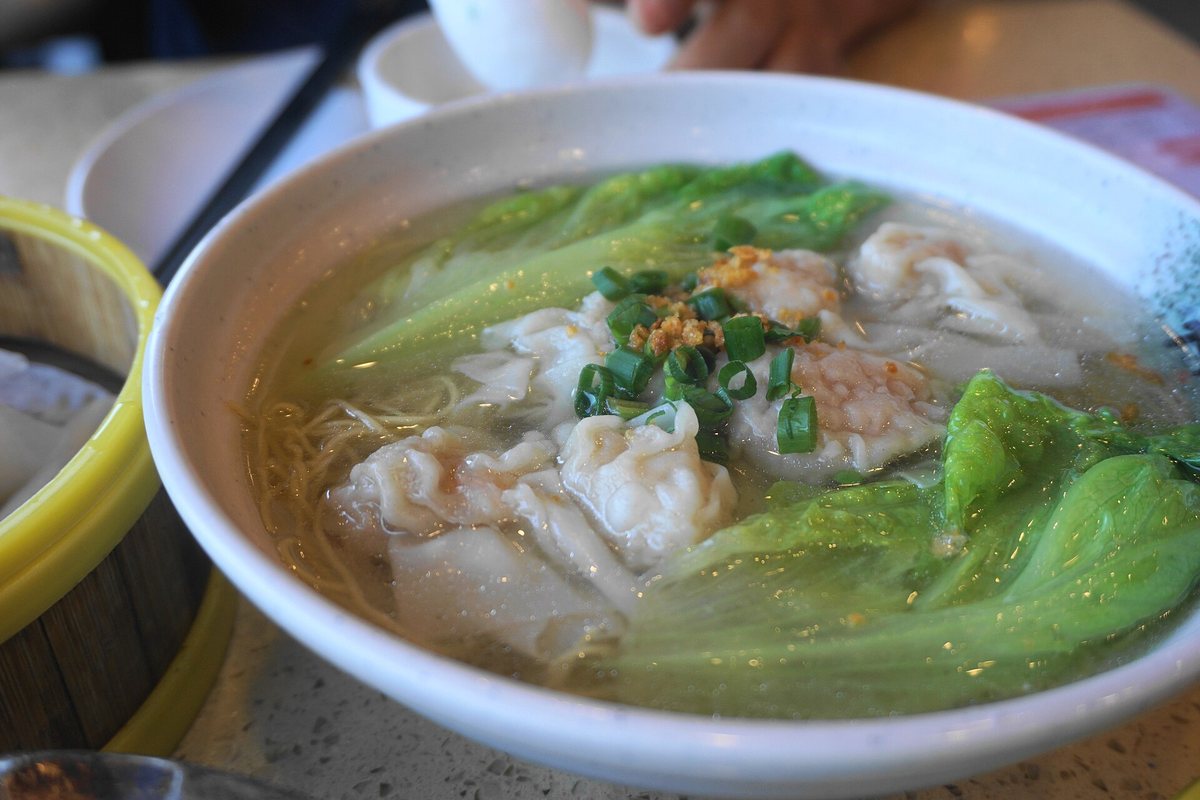
Mi hoanh thanh Mì hoành thánh
Wonton noodles in the same clear, lightly sweet broth as hủ tiếu, from Tây Ninh’s Hoa kitchens.
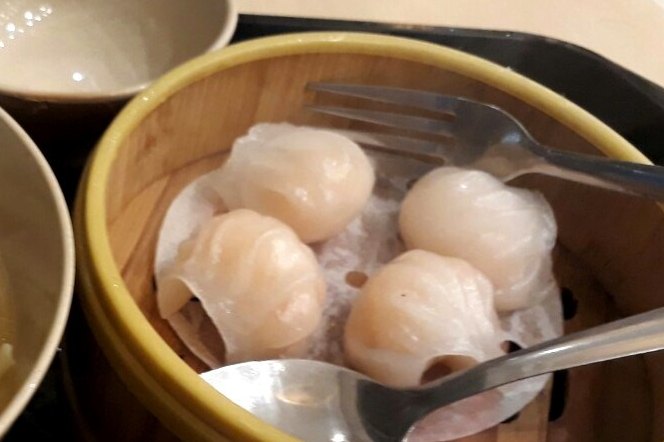
Ha cao Há cảo
A dim-sum dumpling from Tây Ninh’s Hoa kitchens, eaten with xíu mại and bánh bao as everyday food.
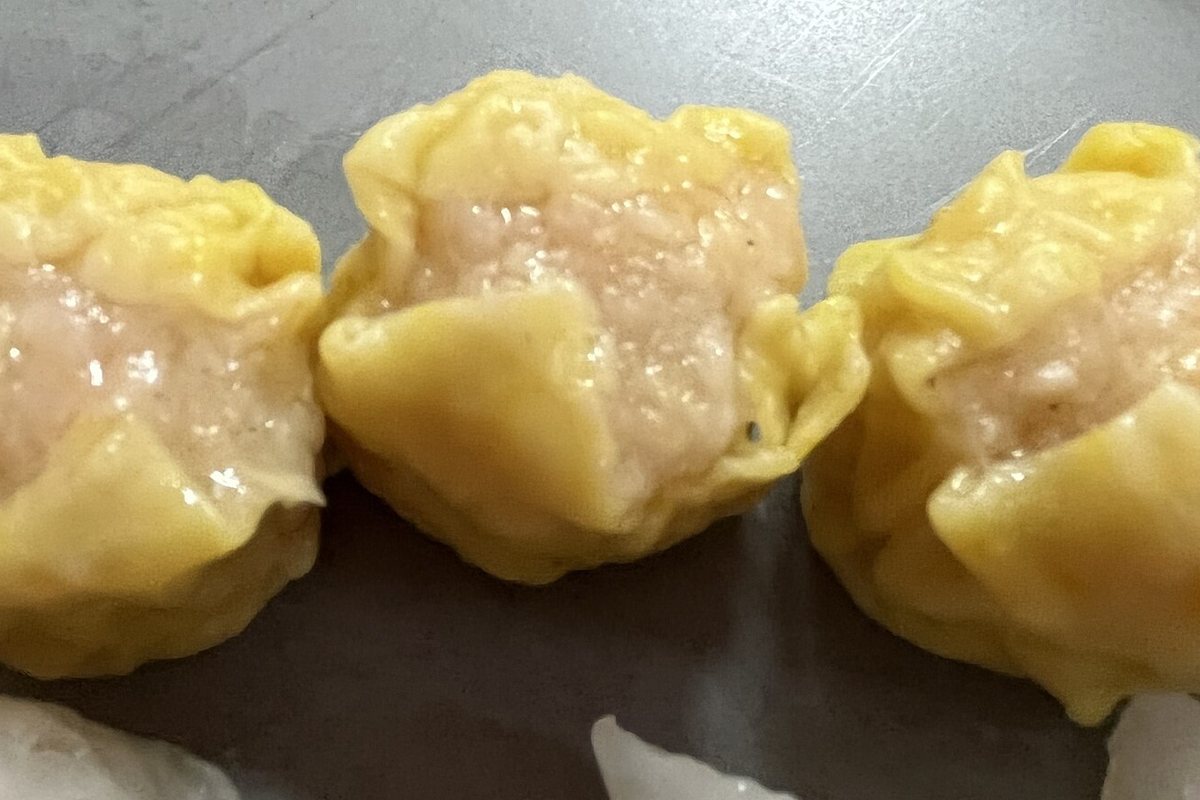
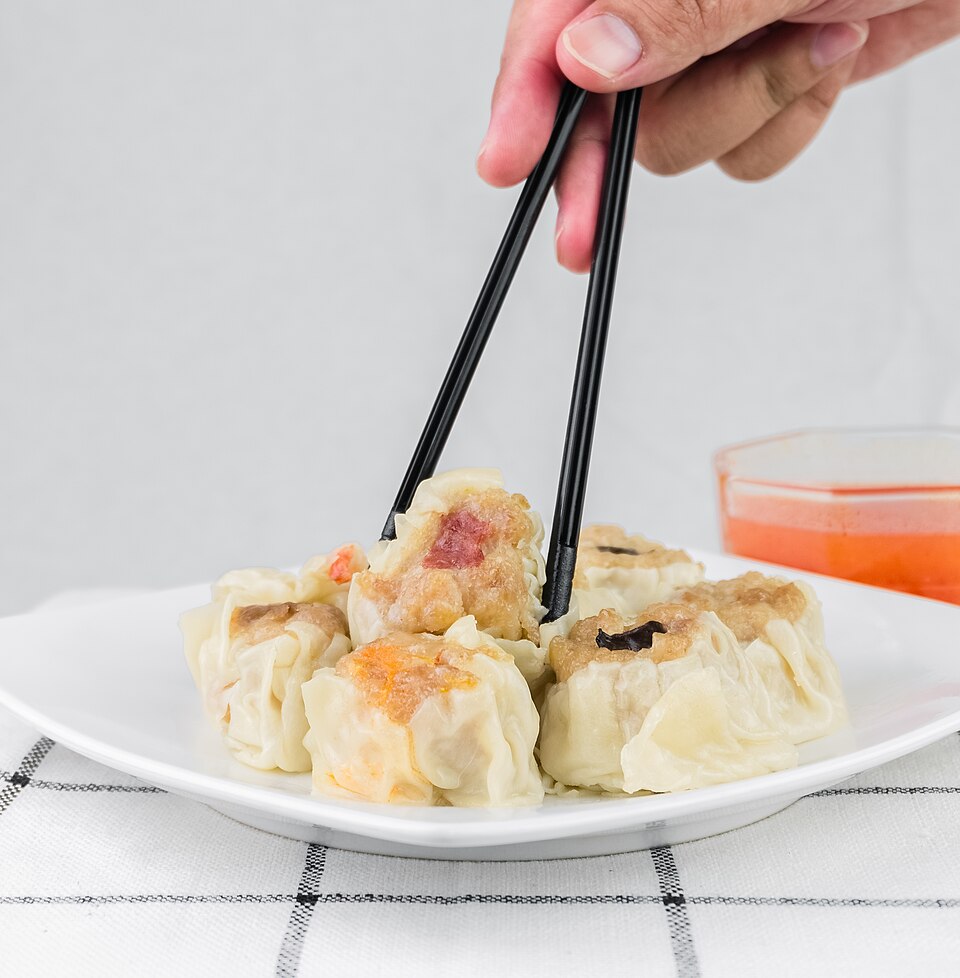
Xiu mai Xíu mại
A dim-sum dumpling from Tây Ninh’s Hoa kitchens, eaten beside há cảo and bánh bao.
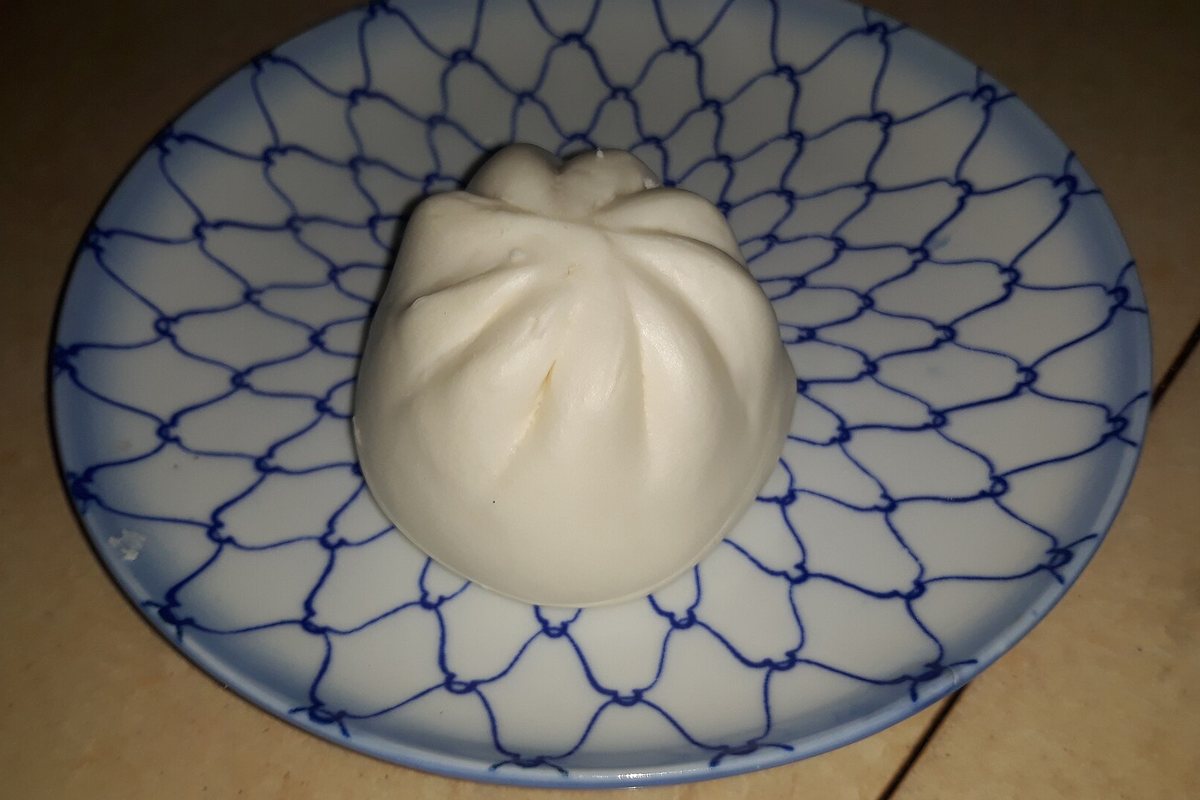
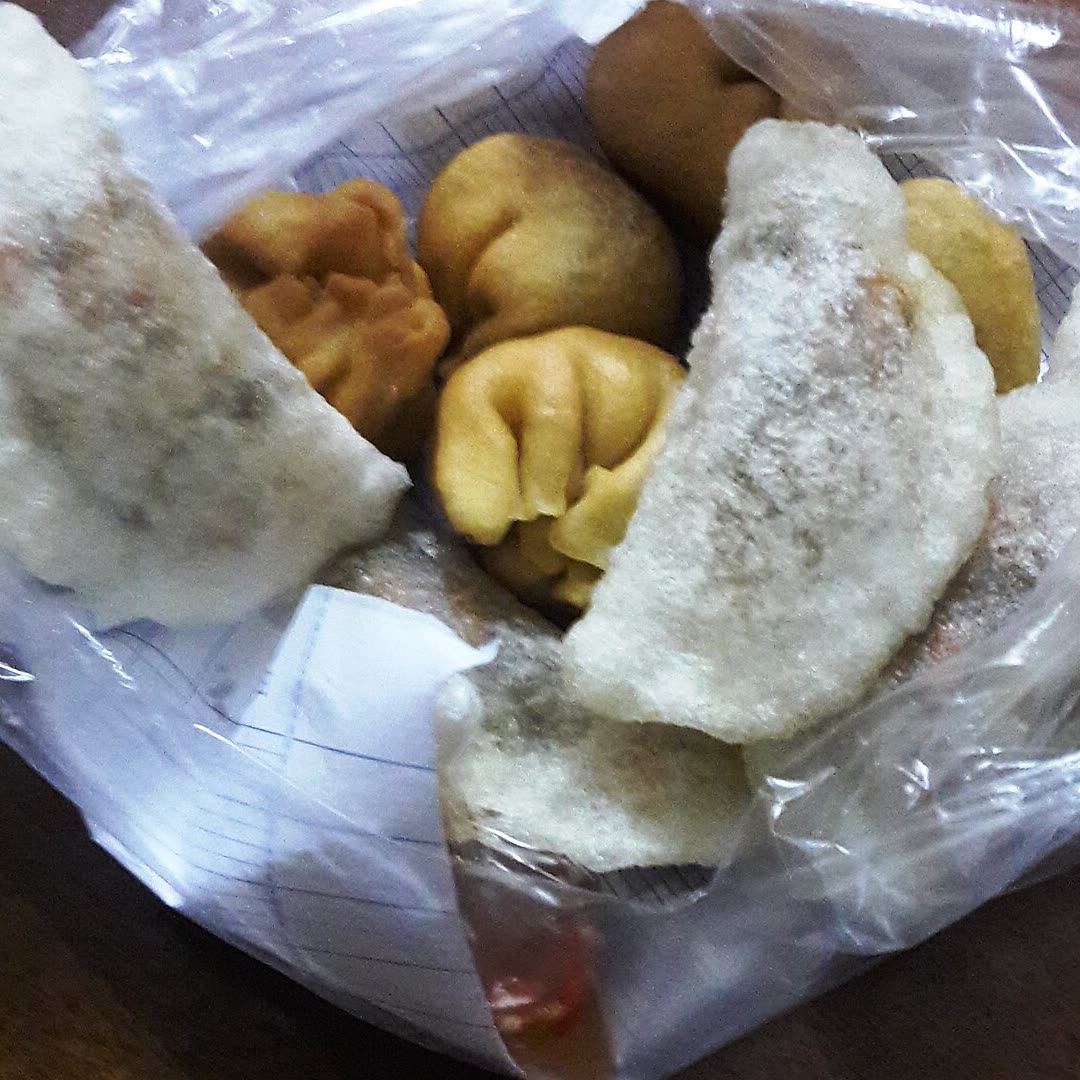
Banh bao Bánh bao
A steamed bun from the everyday dim sum of Tây Ninh’s Hoa families, eaten with há cảo and xíu mại.
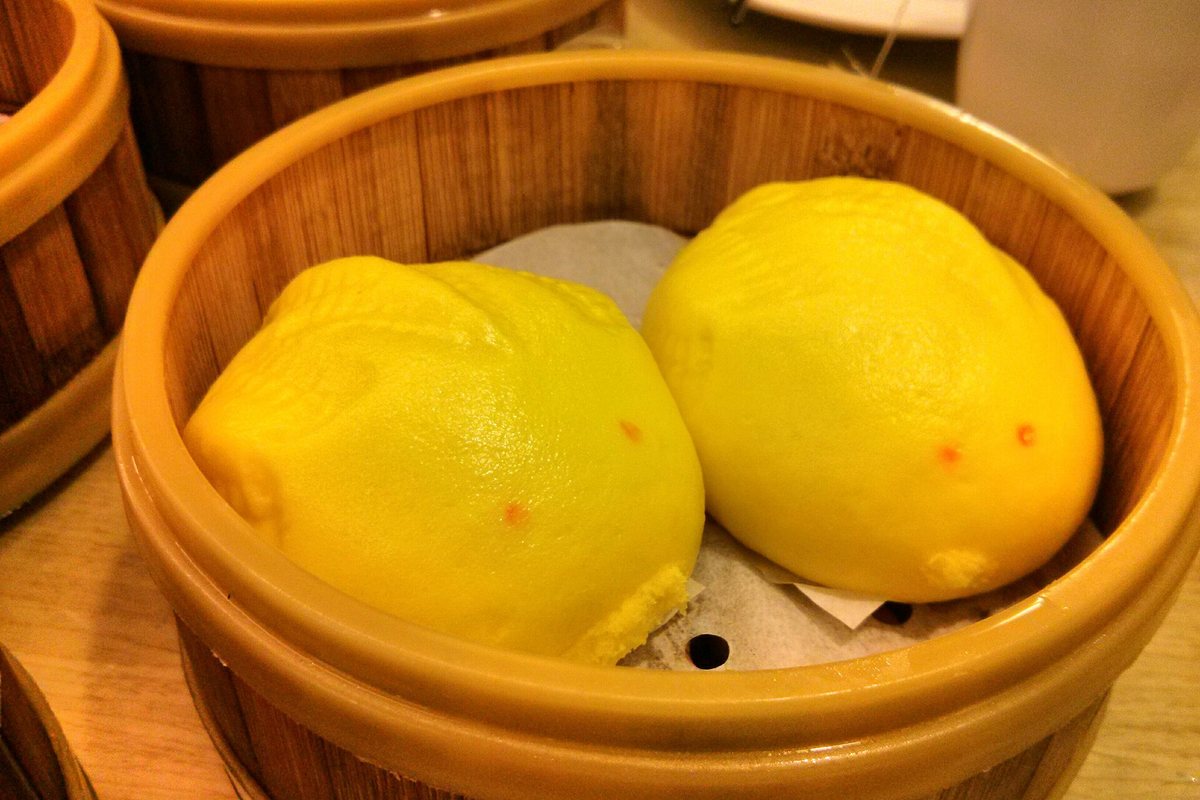
Banh bao kim sa Bánh bao kim sa
A steamed bun from the Hoa dim-sum table in Tây Ninh, served with há cảo and chân gà hấp tàu xì.
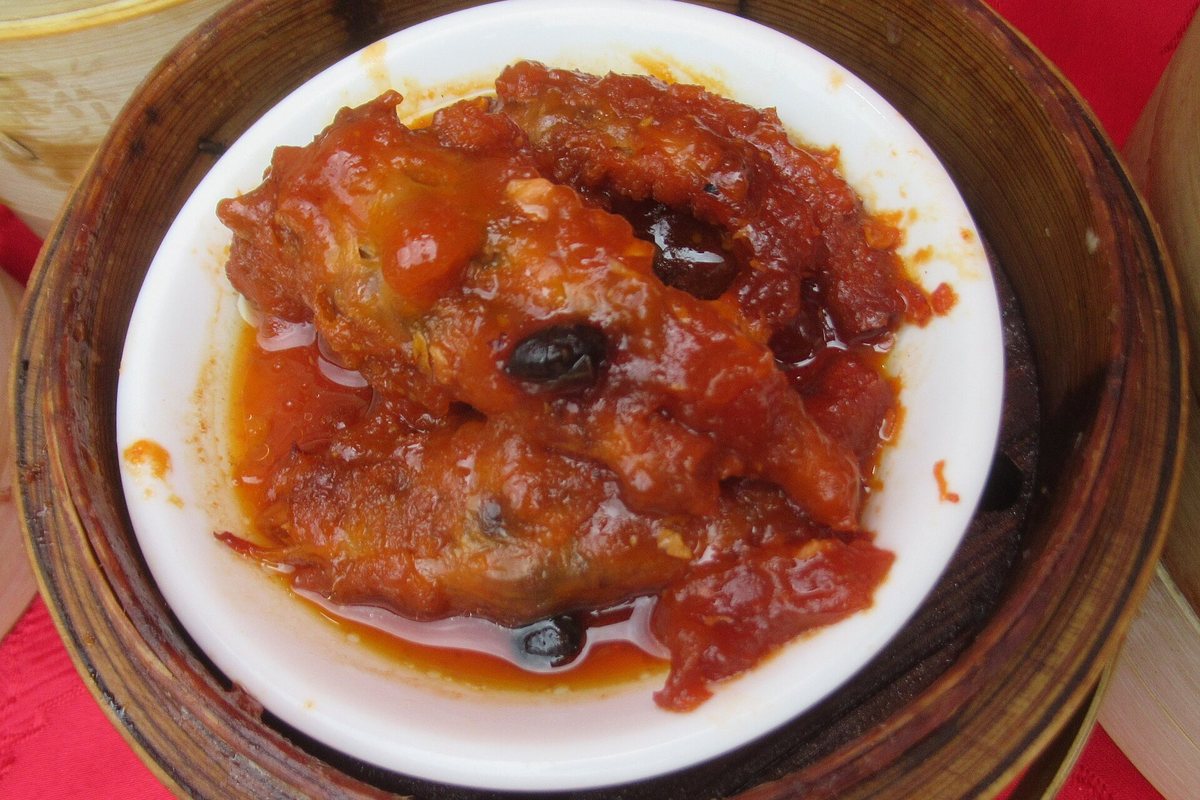
Chan ga hap tau xi Chân gà hấp tàu xì
Chicken feet steamed with tàu xì, fermented black beans, from the Hoa dim-sum table in Tây Ninh.
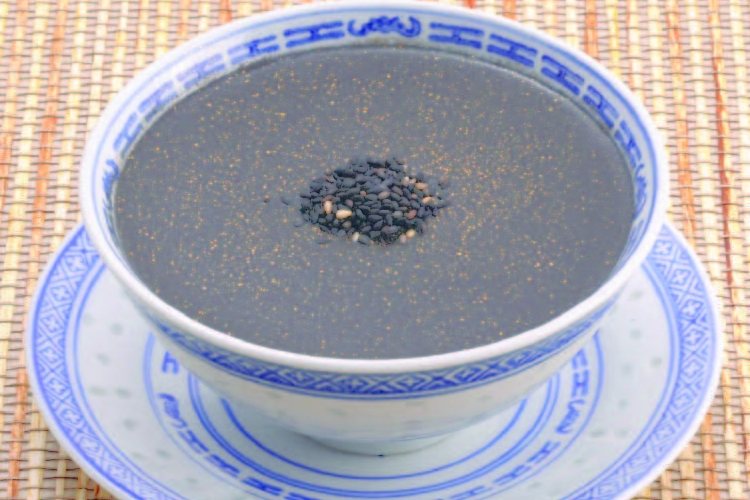
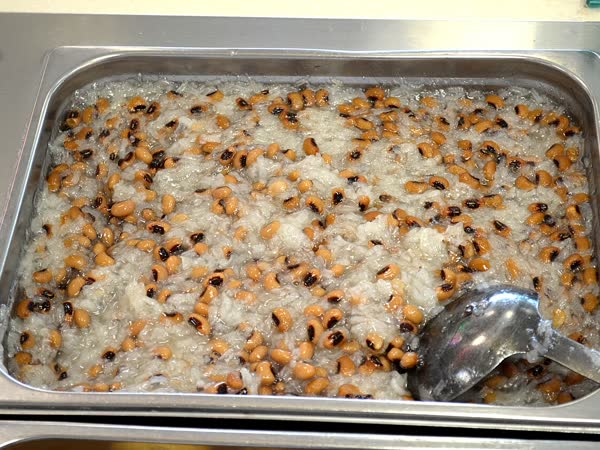
Che me den Chè mè đen
A black-sesame chè, one of the two sweets of Hoa family and community life in Tây Ninh, with sâm bổ lượng.
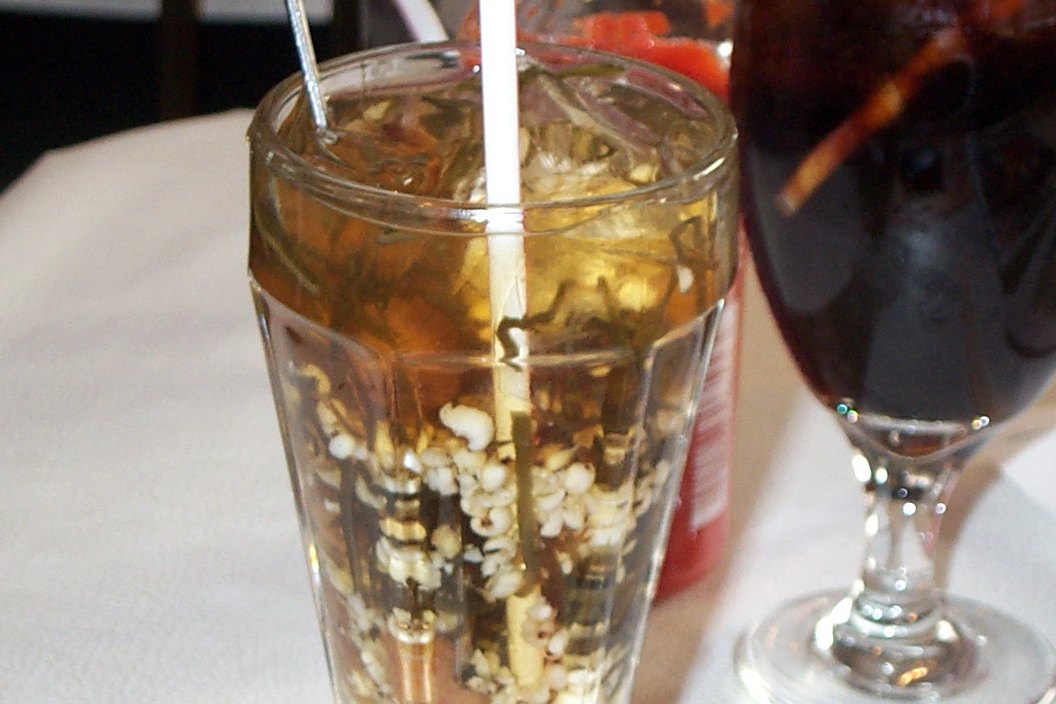
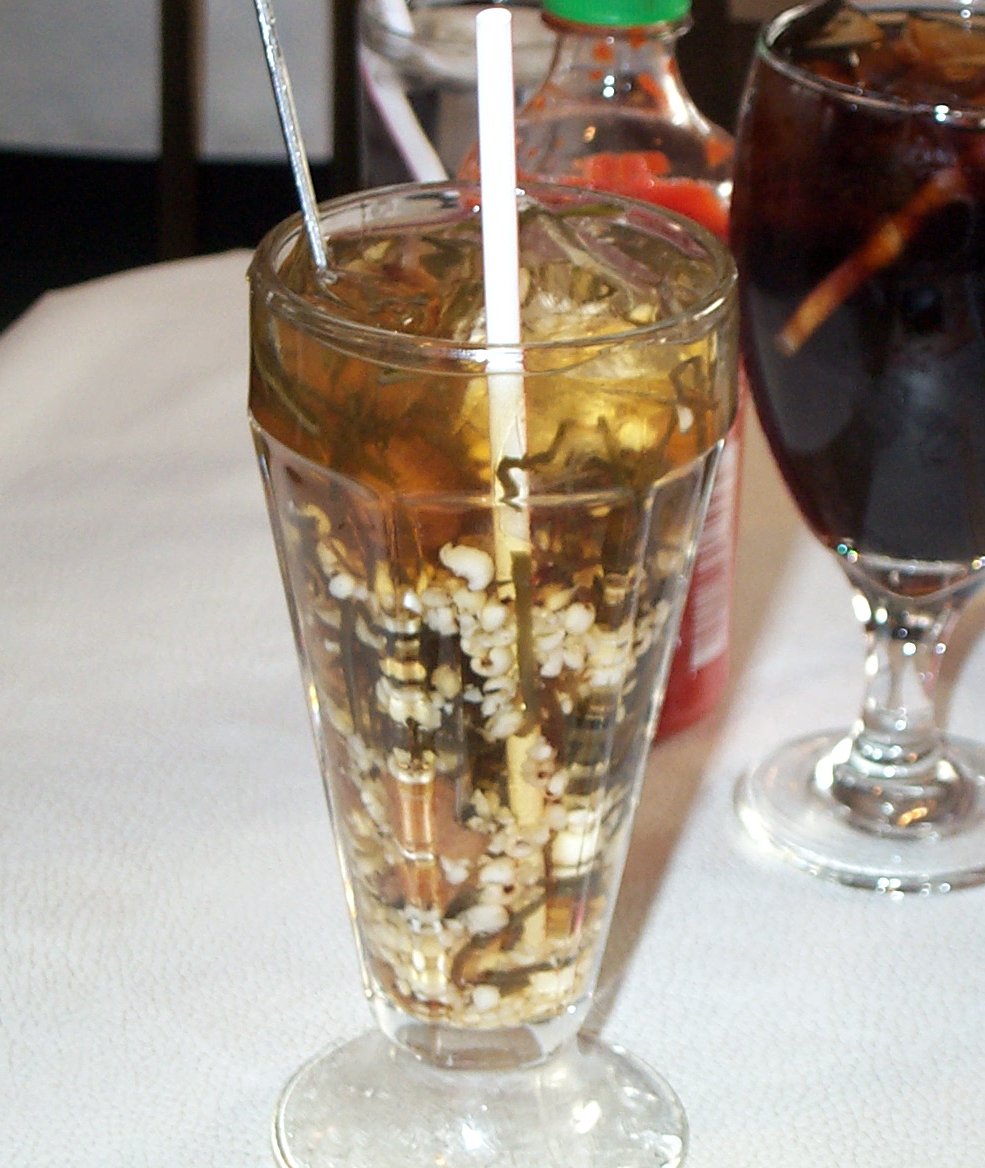
Sam bo luong Sâm bổ lượng
A sweet soup of Hoa family and community life in Tây Ninh, the other sweet beside chè mè đen.
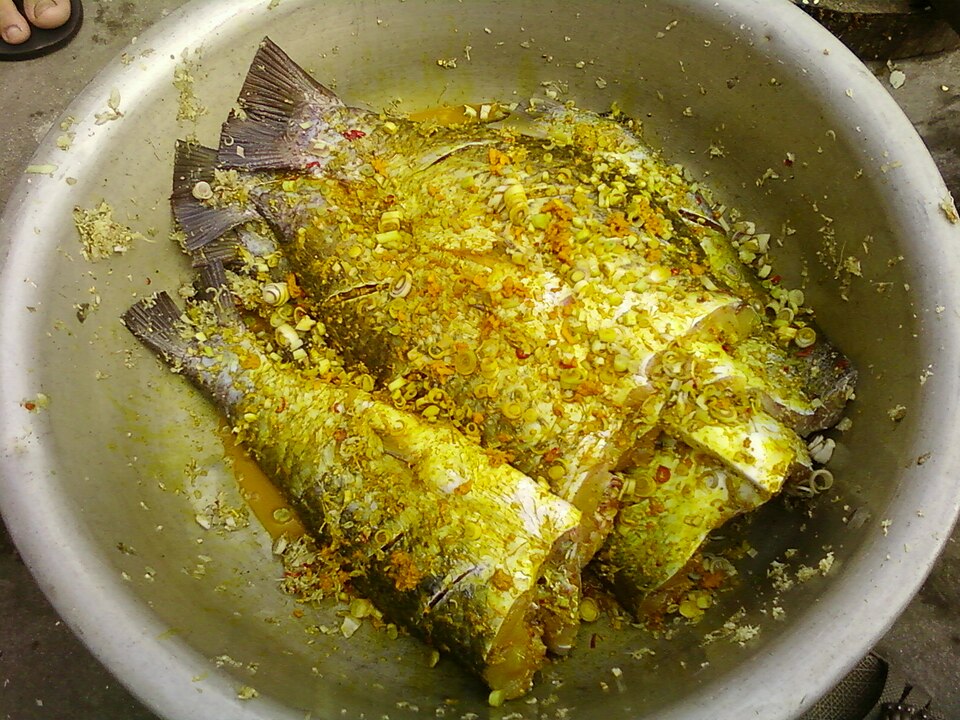
Kho ca loc Khô cá lóc
Dried snakehead from the Đồng Tháp Mười side of the province, sunned 3 to 4 days until the flesh is yellow-brown, firm, and still springy. The sweetness is the field fish, under a cure of salt, sugar, MSG, pepper, and chili.
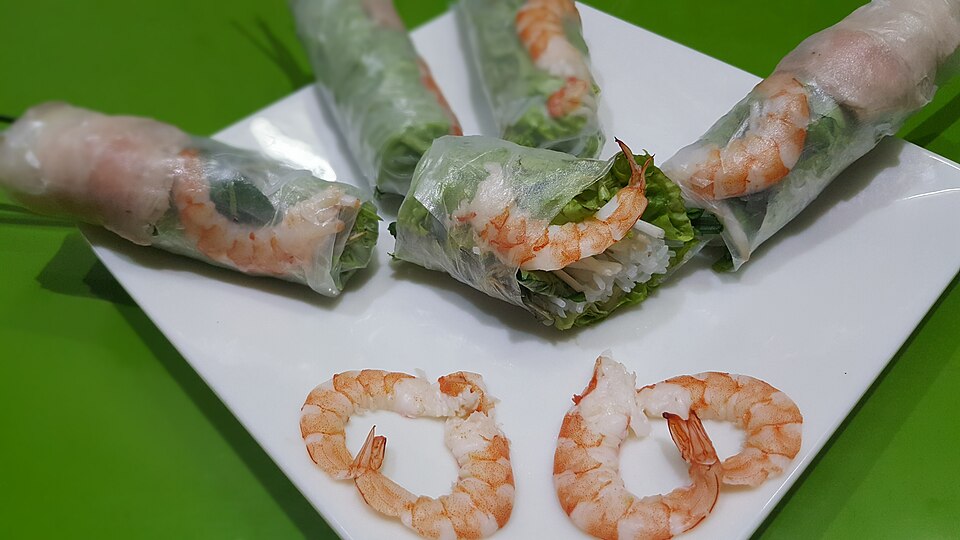
Goi xoai kho ca loc Gỏi xoài khô cá lóc
Sour green mango tossed with lightly salty, chewy dried snakehead and a garlic-chili fish sauce.
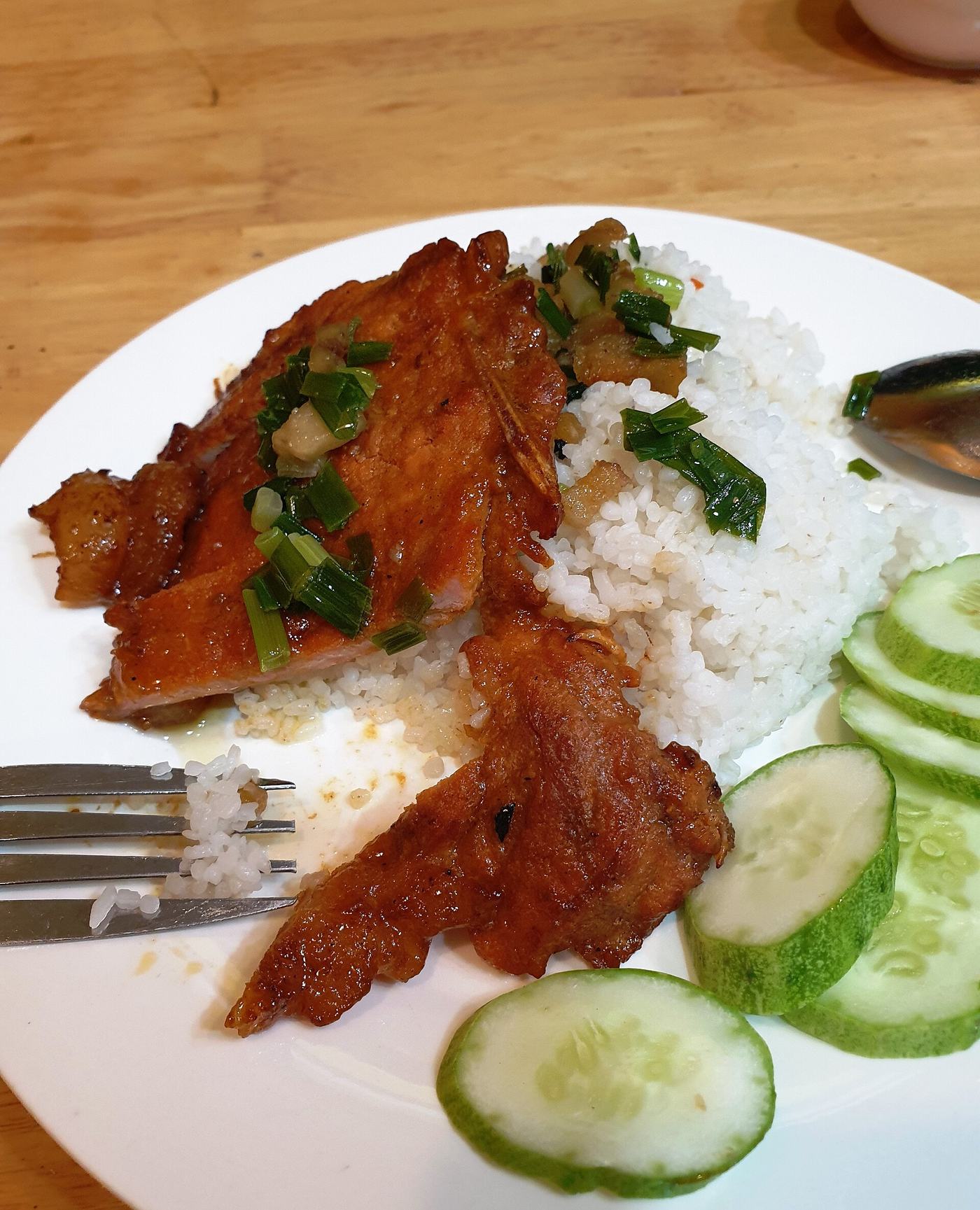
Kho ca loc chien mam me Khô cá lóc chiên mắm me
Dried snakehead fried and finished with mắm me, a tamarind fish sauce that is sour and hot. Eat it with rice.
Dried snakehead tossed with sầu đâu leaves, the salt of the fish against the astringent leaf, with a bowl of mắm me on the side.
A sour soup of dried snakehead, soured gently with tamarind and filled out with pineapple and greens, the fish still sweet.
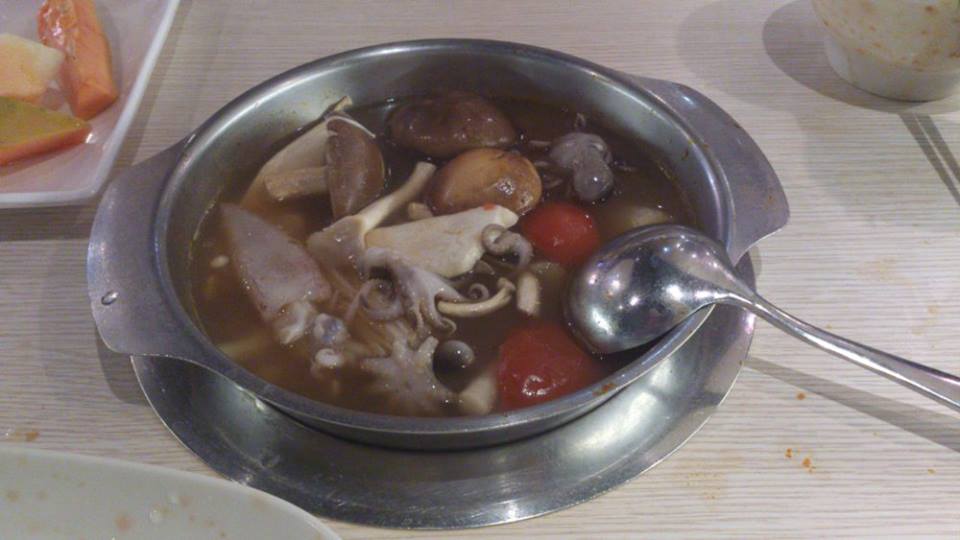
Lau mam Lẩu mắm
A fermented-fish hotpot from the old Long An half, its broth brown, thick, and gently sweet from mắm sặc, mắm trèn, and mắm linh. Dip fresh rice noodles and plates of greens, and pull them out while they are still crisp.
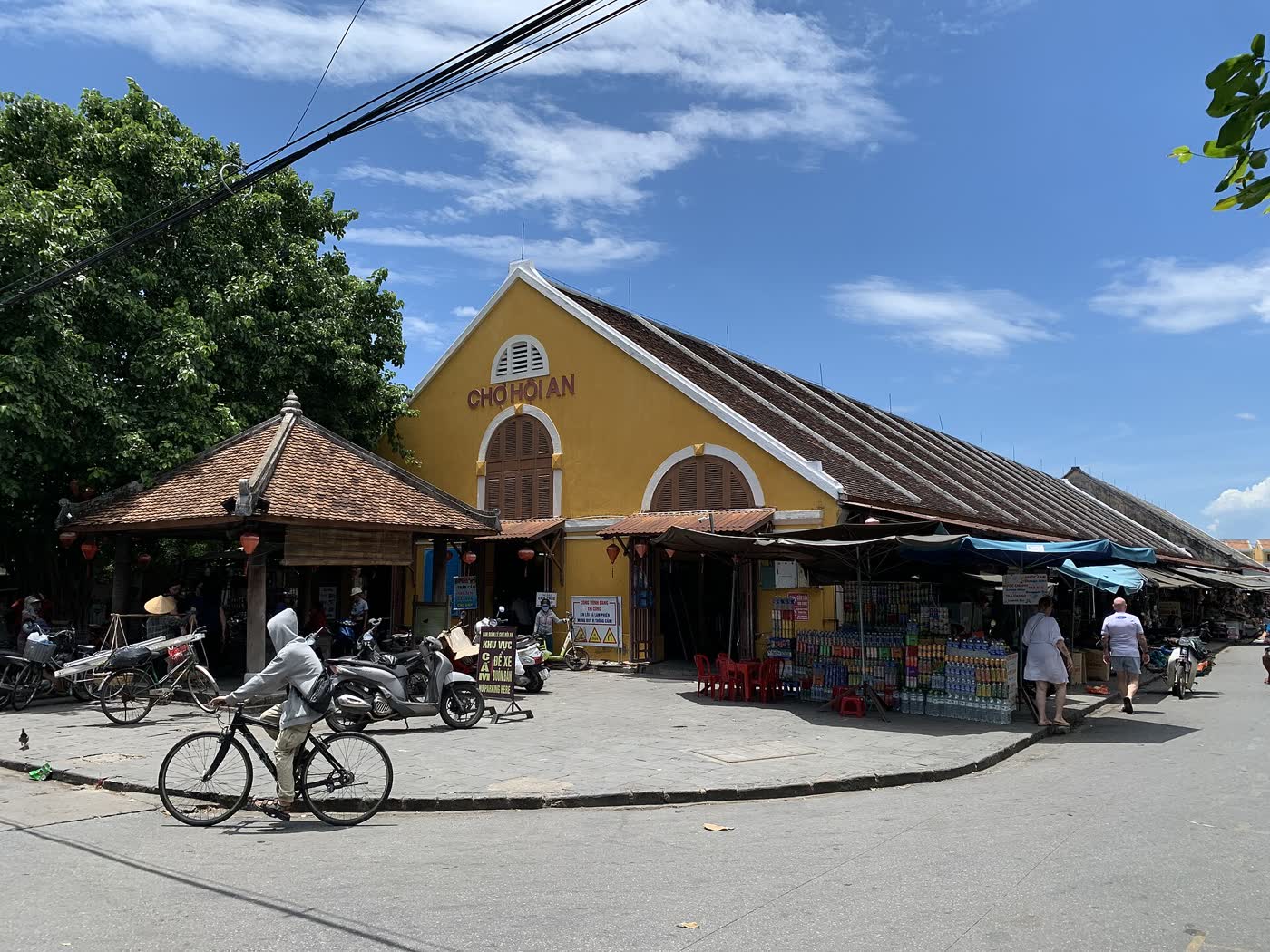
Gao Nang Thom Cho Dao Gạo Nàng Thơm Chợ Đào
A long-grain, one-crop rice from Mỹ Lệ in Chợ Đào, pink inside the grain and fragrant as soon as the pot boils, cooked glossy and sticky. The variety has faded since a dike ended the yearly flood, and the commune is restoring it.
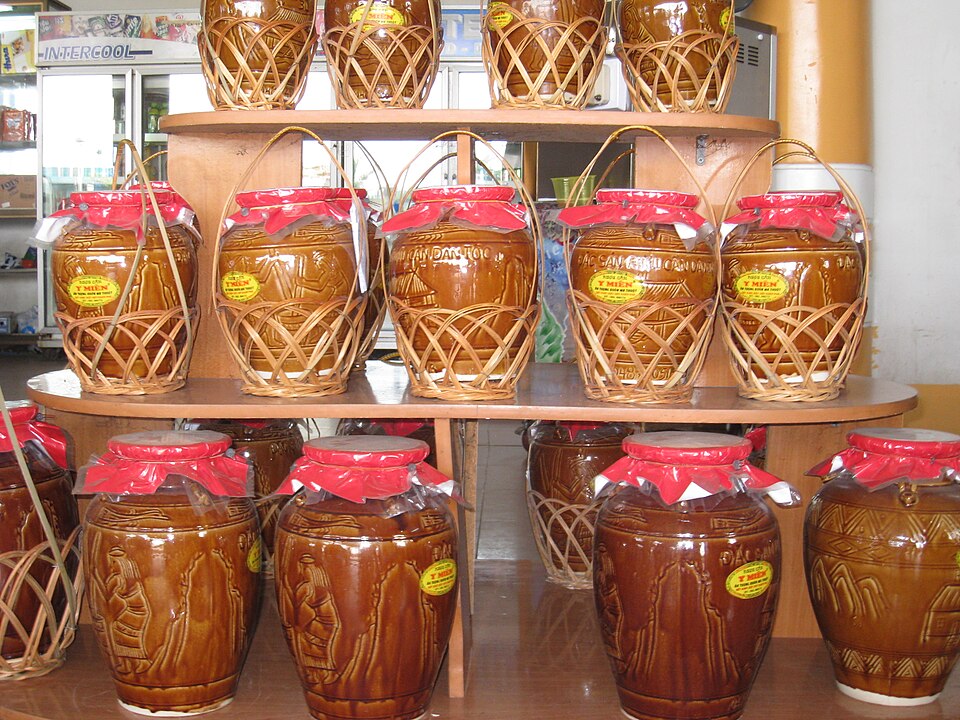
Ruou de Go Den Rượu đế Gò Đen
A rice spirit from Gò Đen in the old Long An half, one of the province’s named specialties.
Dragon fruit from Đức Hòa, in the old Long An half, one of the province’s named farm goods.
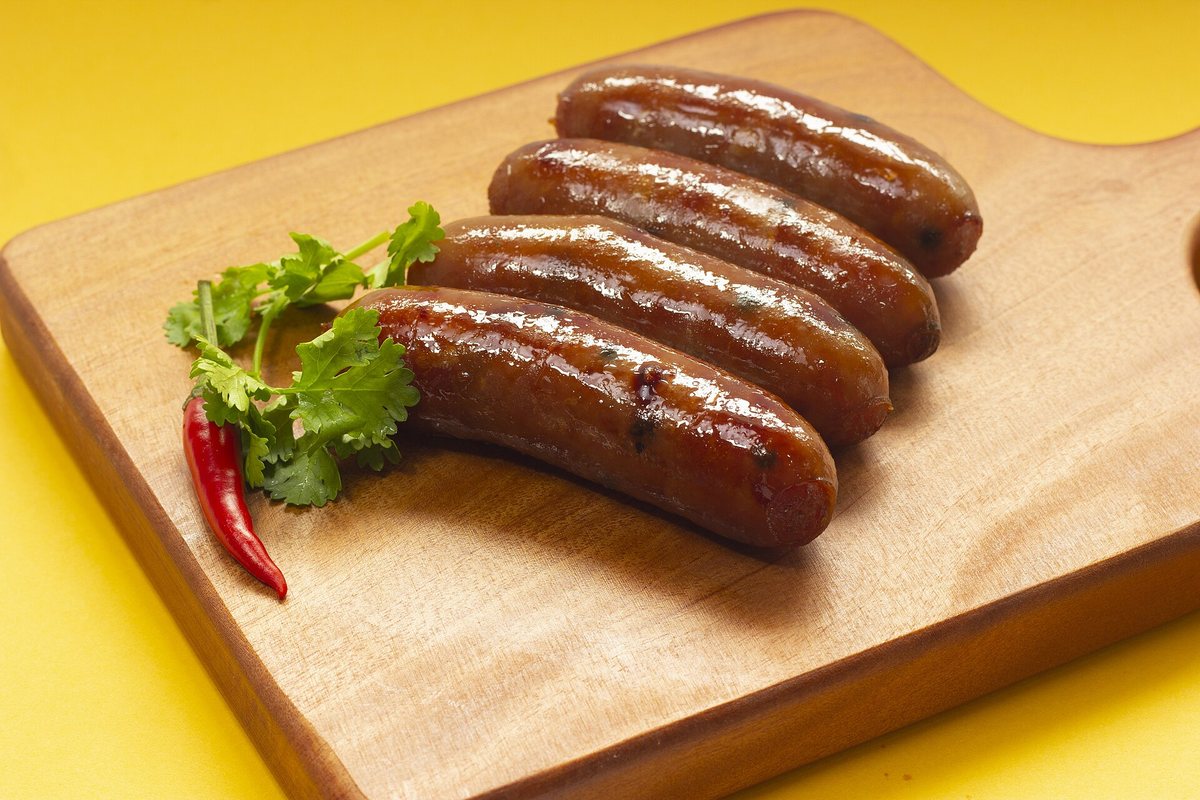
Lap xuong tuoi Lạp xưởng tươi
A fresh sausage from the old Long An half, named with rượu đế Gò Đen and mắm còng Cần Giuộc among its specialties. It is not Tung Lò Mò, the fermented Cham beef sausage.
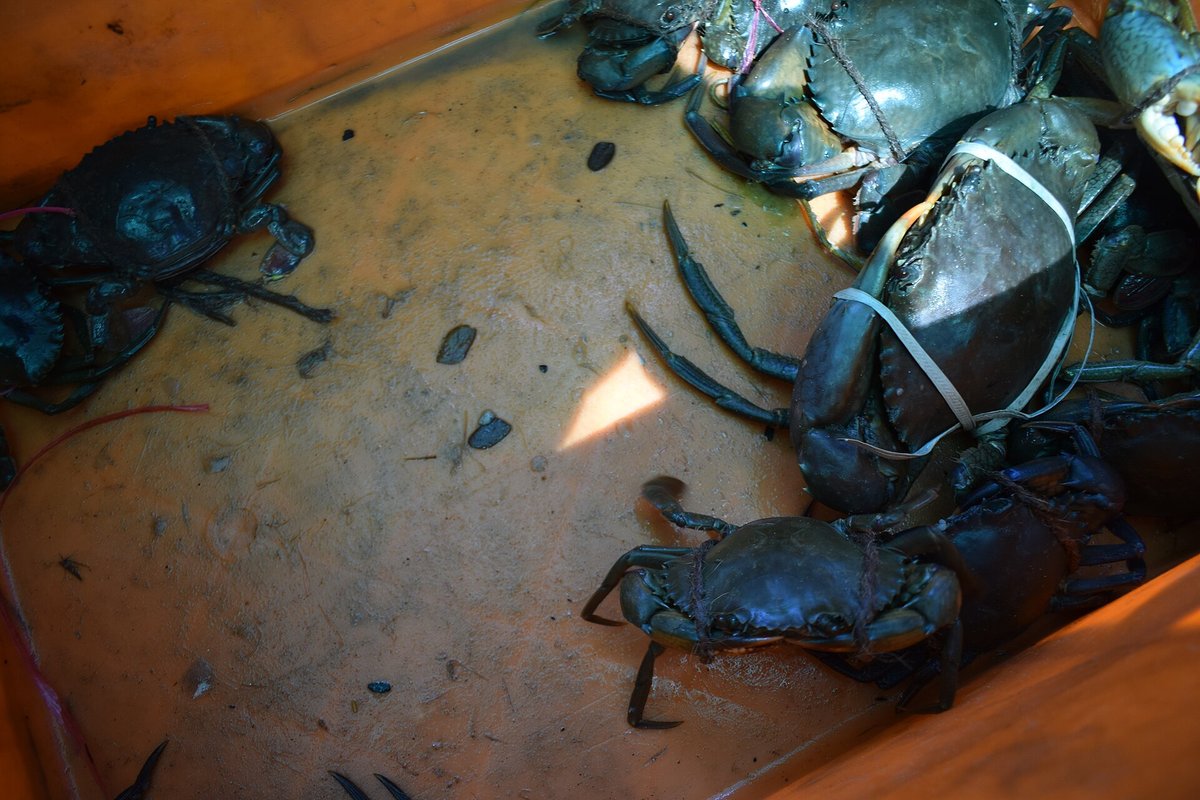
Mam cong Can Giuoc Mắm còng Cần Giuộc
Mắm còng, a crab paste from Cần Giuộc in the old Long An half, named among the area’s specialties.
Trang Bang
The stop between Ho Chi Minh City and the Holy See: the rice sheet, the noodle bowl, the shrimp salt, the young beef, and the mountain’s custard apple.
Khu phố Gia Huỳnh, phường Trảng Bàng
A two-layer Trảng Bàng rice sheet, toasted over a peanut-shell fire until small bubbles rise, then rested briefly in the dew until it softens without going damp. You roll it at the table with boiled pork or young beef, a basket of garden and forest herbs, and a sauce that runs sour and sweet.
Phường Trảng Bàng and Quốc lộ 22
Trảng Bàng’s other bowl: long, soft rice-flour strands made without tapioca, in a pork-bone broth simmered for hours until it runs sweet and deep. It comes with pork hock, lean pork, blood cake or fish cake, scallion, and pepper.
Tây Ninh’s shrimp salt, salty, spicy, and aromatic, sold by the jar beside the Trảng Bàng rice paper. Eat it with fruit, with rice paper, or with other dishes.
Phường Trảng Bàng, phường An Tịnh, Quốc lộ 22
Young Trảng Bàng beef, naturally sweet and soft with a crisp skin, sliced thin, steamed or boiled, and rolled in bánh tráng phơi sương with herbs and forest leaves. It is the lunch plate of the Trảng Bàng stop.
Phường Trảng Bàng, phường An Tịnh, Quốc lộ 22
Trảng Bàng young beef grilled in the mọi style, one of the plates from the young-beef rooms on Quốc lộ 22. The beef is naturally sweet and soft.
Phường Trảng Bàng, phường An Tịnh, Quốc lộ 22
Trảng Bàng young beef grilled with lemongrass, one of the plates from the young-beef rooms on Quốc lộ 22. The beef is naturally sweet and soft.
Phường Trảng Bàng, phường An Tịnh, Quốc lộ 22
Trảng Bàng young beef steamed with ginger, one of the plates from the young-beef rooms on Quốc lộ 22. The beef is naturally sweet and soft.
Phường Trảng Bàng, phường An Tịnh, Quốc lộ 22
Trảng Bàng young beef dipped in vinegar, one of the plates from the young-beef rooms on Quốc lộ 22. The beef is naturally sweet and soft.
Phường Trảng Bàng, phường An Tịnh, Quốc lộ 22
Trảng Bàng young beef dipped in mắm ruốc, shrimp paste, one of the plates from the young-beef rooms on Quốc lộ 22. The beef is naturally sweet and soft.
Phường Trảng Bàng, phường An Tịnh, Quốc lộ 22
An oxtail hotpot from the young-beef rooms of Trảng Bàng, made from the same young animals as the rice-paper roll.
Phường Trảng Bàng, phường An Tịnh, Quốc lộ 22
A beef rice porridge from the young-beef rooms of Trảng Bàng, made from the same young animals as the rice-paper roll.
Núi Bà Đen and the land nearby
Custard apple from the slopes of Núi Bà Đen: a large, fragrant fruit with thick eyes, deep grooves, and chewy flesh. The mountain board calls it deeply sweet, and the tourism information center calls it lightly sweet.
Border plates
Khmer and Cham Islam cooking along the border, plus snakehead grilled in the field.
A Khmer border bowl of thin rice noodles in a snakehead broth with fresh turmeric and lemongrass, the fish served as cake or in pieces. The broth is naturally sweet from the fish, with the salty heat of muối ớt.
Chợ Long Hoa, and đường 30 Tháng 4 in phường Tân Ninh
A ferment of tép and cá cơm from Hồ Dầu Tiếng, or tiny cá rễ tre, left about 15 days until it turns salty and sour with a sweet smell. It carries less salt than most mắm, so the sourness comes through.
A Cham Islam beef sausage, seasoned in the traditional way and fermented until it turns deep and lightly sour. It belongs to the community’s Halal cooking.
Beef curry from the Cham Islam community of Tây Ninh, cooked under Halal rules for choosing, preparing, and cooking food.
A small cake of the Cham Islam community, made for festivals and community gatherings, where it is a familiar taste.
Snakehead grilled in the field style and rolled with whatever forest leaves are in season. It shares the table with bò tơ, bánh tráng phơi sương, and muối tôm, and it is a plate of the old Long An half too.
Hoa dishes
Teochew and Cantonese cooking is part of everyday food in Tây Ninh: a clear, lightly sweet broth, dim sum, and two sweets.
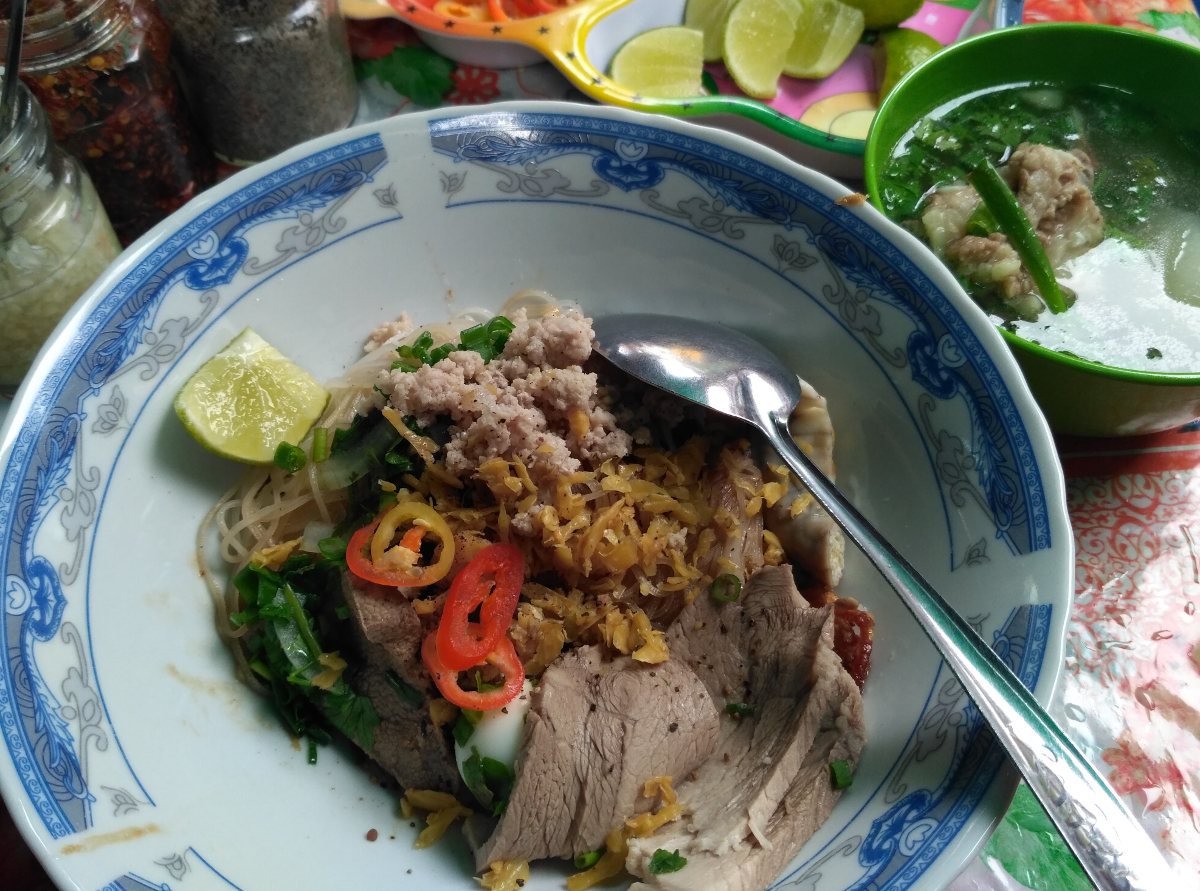
Hu tieu Hủ tiếu
A Hoa noodle bowl in a clear, lightly sweet broth, from the Teochew and Cantonese cooking that Tây Ninh’s Hoa families keep.
Mi hoanh thanh Mì hoành thánh
Wonton noodles in the same clear, lightly sweet broth as hủ tiếu, from Tây Ninh’s Hoa kitchens.
Ha cao Há cảo
A dim-sum dumpling from Tây Ninh’s Hoa kitchens, eaten with xíu mại and bánh bao as everyday food.
A dim-sum dumpling from Tây Ninh’s Hoa kitchens, eaten beside há cảo and bánh bao.
A steamed bun from the everyday dim sum of Tây Ninh’s Hoa families, eaten with há cảo and xíu mại.
A steamed bun from the Hoa dim-sum table in Tây Ninh, served with há cảo and chân gà hấp tàu xì.
Chicken feet steamed with tàu xì, fermented black beans, from the Hoa dim-sum table in Tây Ninh.
Che me den Chè mè đen
A black-sesame chè, one of the two sweets of Hoa family and community life in Tây Ninh, with sâm bổ lượng.
Sam bo luong Sâm bổ lượng
A sweet soup of Hoa family and community life in Tây Ninh, the other sweet beside chè mè đen.
Regional dishes
Resolution 202/2025/QH15 joined old Long An into Tây Ninh. These plates belong to that half, a different day from the Holy See; cá lóc nướng trui is eaten on both sides.
Kênh 79 and the border markets
Dried snakehead from the Đồng Tháp Mười side of the province, sunned 3 to 4 days until the flesh is yellow-brown, firm, and still springy. The sweetness is the field fish, under a cure of salt, sugar, MSG, pepper, and chili.
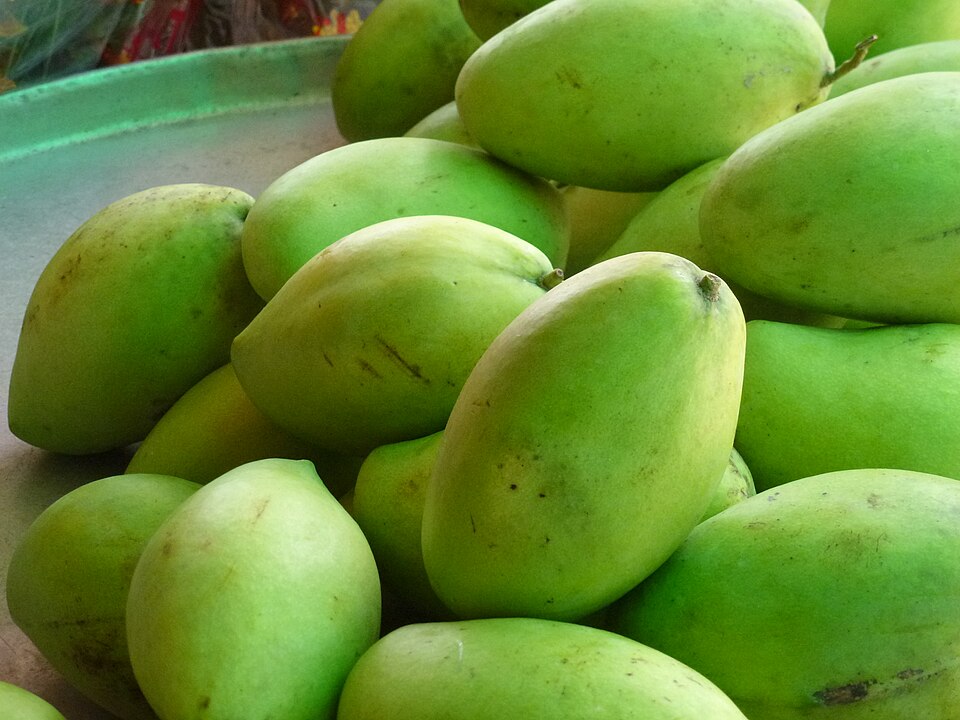
Goi xoai kho ca loc Gỏi xoài khô cá lóc
Sour green mango tossed with lightly salty, chewy dried snakehead and a garlic-chili fish sauce.
Dried snakehead fried and finished with mắm me, a tamarind fish sauce that is sour and hot. Eat it with rice.
Dried snakehead tossed with sầu đâu leaves, the salt of the fish against the astringent leaf, with a bowl of mắm me on the side.
A sour soup of dried snakehead, soured gently with tamarind and filled out with pineapple and greens, the fish still sweet.
A fermented-fish hotpot from the old Long An half, its broth brown, thick, and gently sweet from mắm sặc, mắm trèn, and mắm linh. Dip fresh rice noodles and plates of greens, and pull them out while they are still crisp.
Mỹ Lệ, Chợ Đào
A long-grain, one-crop rice from Mỹ Lệ in Chợ Đào, pink inside the grain and fragrant as soon as the pot boils, cooked glossy and sticky. The variety has faded since a dike ended the yearly flood, and the commune is restoring it.
Số 05, ấp 3B, xã Mỹ Yên
A rice spirit from Gò Đen in the old Long An half, one of the province’s named specialties.
Đức Hòa
Dragon fruit from Đức Hòa, in the old Long An half, one of the province’s named farm goods.
A fresh sausage from the old Long An half, named with rượu đế Gò Đen and mắm còng Cần Giuộc among its specialties. It is not Tung Lò Mò, the fermented Cham beef sausage.
Cần Giuộc
Mắm còng, a crab paste from Cần Giuộc in the old Long An half, named among the area’s specialties.
Casual dining
The meal sits in Trảng Bàng, on the road in, rather than in phường Tân Ninh.
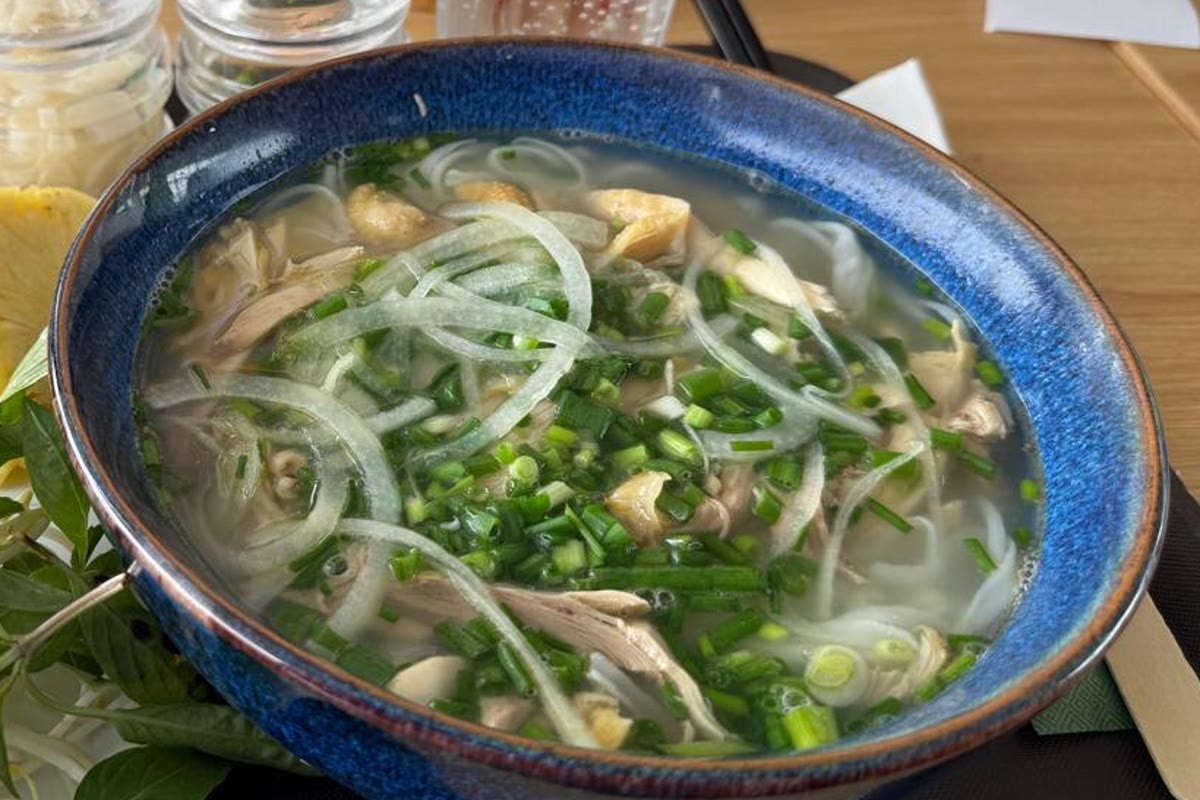
Khu pho Gia Huynh Khu phố Gia Huỳnh
Phường Trảng Bàng
Where you sit down for the rice-paper roll and bánh canh. Chợ Trảng Bàng and the eating strip on Quốc lộ 22B are close by.
Phường Trảng Bàng
The yards where sheets are poured, dried, and toasted. Come in the morning for the dew racks.
Quốc lộ 22B, Trảng Bàng
The market and the highway eating strip beside the craft village, on Quốc lộ 22B.
Breakfast
Bún Xiêm Lo is a breakfast or lunch bowl, and bánh canh suits a morning stop in Trảng Bàng. Bò tơ is lunch.